How can I choose the right color scheme for my living room?


Choosing the perfect colour scheme for your living room can feel like a daunting task, especially with the wide array of hues and combinations available.However, the right colors have the power to transform your space, setting the mood and reflecting your personal style. Whether you prefer a calm, cozy retreat or a vibrant, energetic hub, understanding some key principles can make selecting your living room’s color scheme easier and more enjoyable. In this article, we’ll guide you through practical tips and creative ideas to help you choose colors that will bring harmony and warmth to the heart of your home.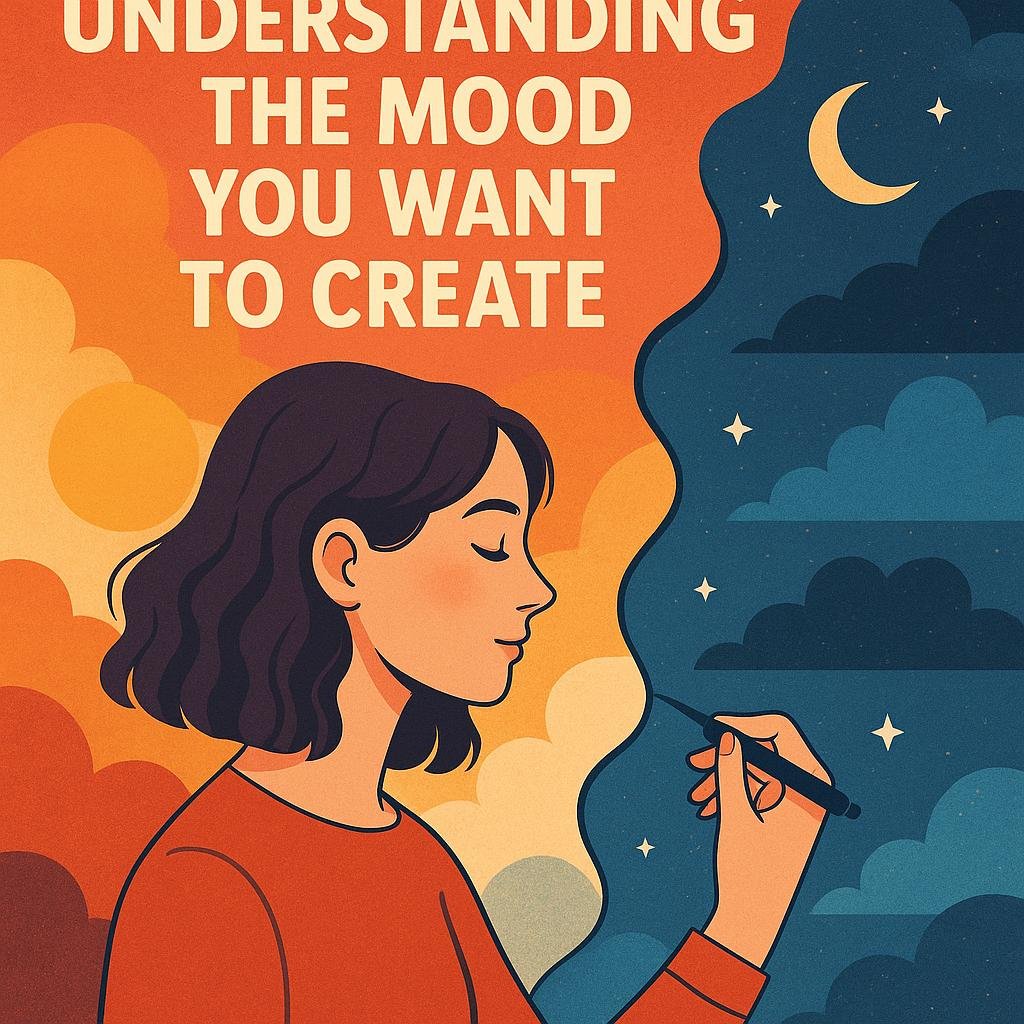
Understanding the Mood you Want to Create
Before selecting any color, it’s essential to tap into the feelings and atmosphere you want your living room to evoke.Are you aiming for a cozy retreat to relax after a long day, or do you want a vibrant space that energizes and inspires creativity? Defining the mood helps narrow down your options, whether you lean towards calming cool tones like soft blues and gentle greens or warm hues like rich oranges and inviting reds that encourage conversation and warmth.
Consider how natural and artificial lighting will interact with your colors as well, as light drastically transforms hues throughout the day. Here’s a quick guide to help you match colors with moods:
- Calm & Serene: Soft blues, muted greens, and gentle neutrals.
- Energetic & Bold: Shining reds, sunny yellows, and vivid oranges.
- Warm & Cozy: Earthy browns, warm taupes, and burnt sienna.
- Elegant & Refined: Deep purples, charcoal greys, and navy blues.
| mood | Ideal Colors | Recommended Accent |
|---|---|---|
| Tranquil | Seafoam Green, Pale Blue | Light Wood Furniture |
| Vibrant | Scarlet Red, Sunshine Yellow | Metallic Accessories |
| Cozy | Chocolate Brown, Warm Beige | Soft Throw Pillows |
| Elegant | Charcoal Gray, Burgundy | Velvet Fabrics |
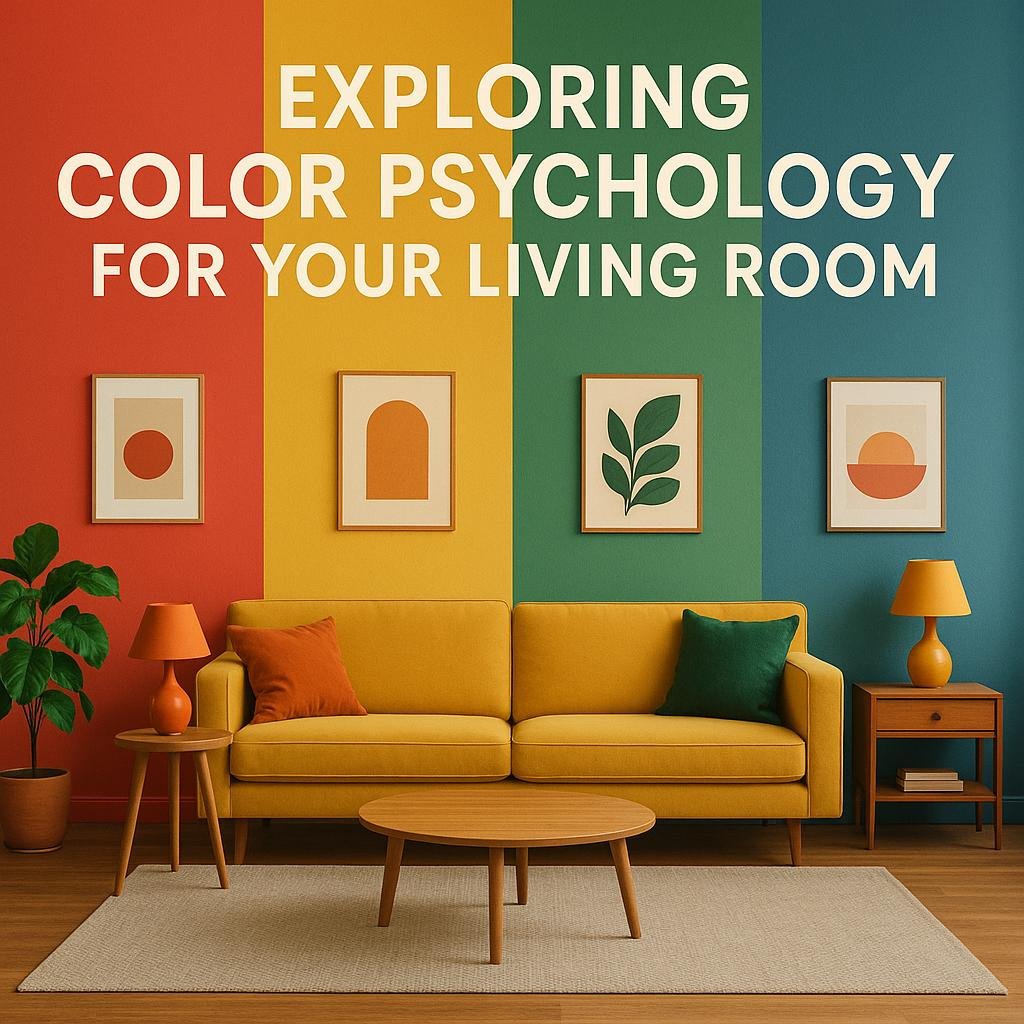
Exploring Color Psychology for Your Living Room
Colors have an incredible ability to influence mood and atmosphere, making them a powerful tool in your living room design. When selecting your palette, consider how you want the space to feel. Such as, cool tones like blues and greens promote relaxation and calm, perfect for unwinding after a busy day. Conversely, warm shades such as reds, oranges, and yellows can stimulate energy and conversation, ideal for social gatherings and lively family time.
To help you decide, think about the natural light in your living room and the emotions you want to evoke. Here’s a quick guide to popular color effects:
- Blue: Calm and serene, enhances focus.
- Green: Refreshing and balanced, evokes nature.
- Yellow: Cheerful and bright, encourages creativity.
- Red: Energetic and warm, stimulates conversation.
- Grey: Neutral and sophisticated,perfect for modern looks.
| Color | Psychological Effect | Ideal Usage |
|---|---|---|
| Blue | Calming, soothing | Reading nooks, relaxation zones |
| Yellow | Uplifting, energizing | Accent walls, creative spaces |
| Green | Refreshing, balancing | Whole rooms, nature-inspired décor |
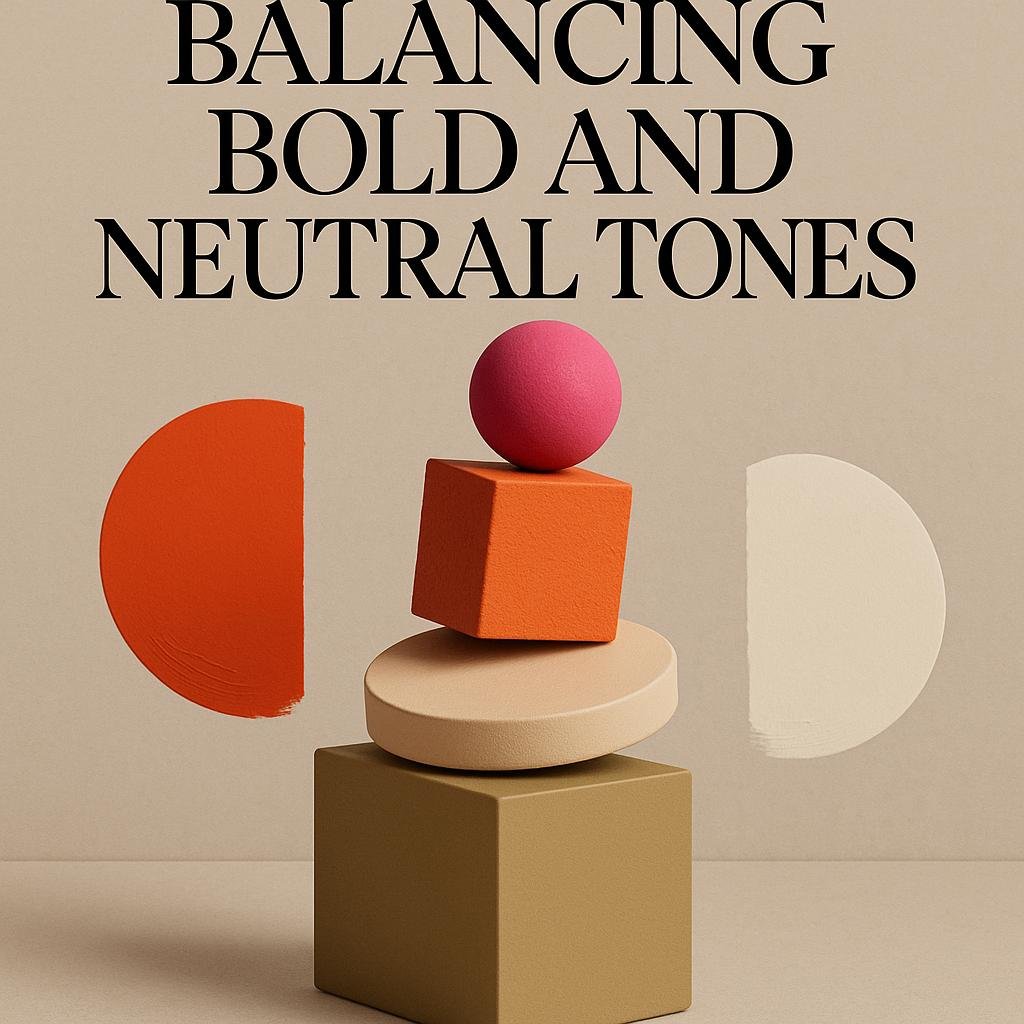
Tips for Balancing Bold and Neutral Tones
finding the perfect harmony between bold and neutral tones can transform your living room into a captivating yet cozy space. Start by choosing a dominant color palette-typically neutrals like beige, gray, or soft white-to create a soothing backdrop. Then, introduce bold colors through accent pieces such as throw pillows, rugs, or artwork. This approach ensures your vibrant accents stand out without overwhelming the space. Remember, balance is key: too many bold colors can make the room feel chaotic, while too few might leave it feeling lifeless.
Consider using this simple guide to balance proportion and impact:
| Element | color Approach | Effect |
|---|---|---|
| Walls | Neutral tones | Creates a calming foundation |
| Furniture | Mix of neutrals and bolds | Adds depth and interest |
| Accessories | Bold pops of color | draws attention and highlights |
- Layer textures: incorporate fabrics and materials in varying tones to enrich the space visually and physically.
- Test lighting: Bold hues can shift based on natural and artificial light, so always observe your accents at different times of day.
- Anchor with neutrals: Use neutral rugs or curtains to anchor your furniture and prevent the room from feeling busy.

How to Test Colors Before Committing
Before fully committing to a color, testing it in your living room environment is essential. Paint small swatches directly on your walls and observe how they appear during different times of the day. Natural and artificial lighting can drastically change how a hue looks, so keep a close eye on the samples both in daylight and in the evening. Another effective method is to use large poster boards painted with your top color choices. Hold or stand these boards around the room to see how each shade interacts with your furniture, flooring, and décor.
To make the process more organized, consider these quick testing tips:
- Use sample pots: Purchase small quantities to avoid waste and ensure versatility.
- Test adjacent colors: Try related tones side by side to understand contrast and harmony.
- Observe finish effects: Matte, satin, or gloss finishes can influence perceived color intensity.
- Use virtual preview tools: Many apps and websites let you upload photos of your room to visualize colors digitally before physical tests.
| Test Method | Benefits | Considerations |
|---|---|---|
| Wall Swatches | Directly reflects real wall color | Requires paint and drying time |
| Poster Boards | Portable and movable for lighting tests | Needs proper lighting for best accuracy |
| Virtual Previews | Quick and no mess | May not capture all light nuances |
In Summary
Choosing the right color scheme for your living room is a rewarding journey that blends your personal style with thoughtful design principles. By considering factors like natural light, room size, and the mood you want to create, you can select colors that not only enhance your space but also make it feel truly inviting. Remember, there’s no one-size-fits-all solution-trust your instincts, experiment with samples, and most importantly, choose hues that make you feel at home.With a little creativity and careful planning, your living room can become a stunning reflection of you and a space you’ll love spending time in.