What are some tips for mixing different design styles in living room decor?

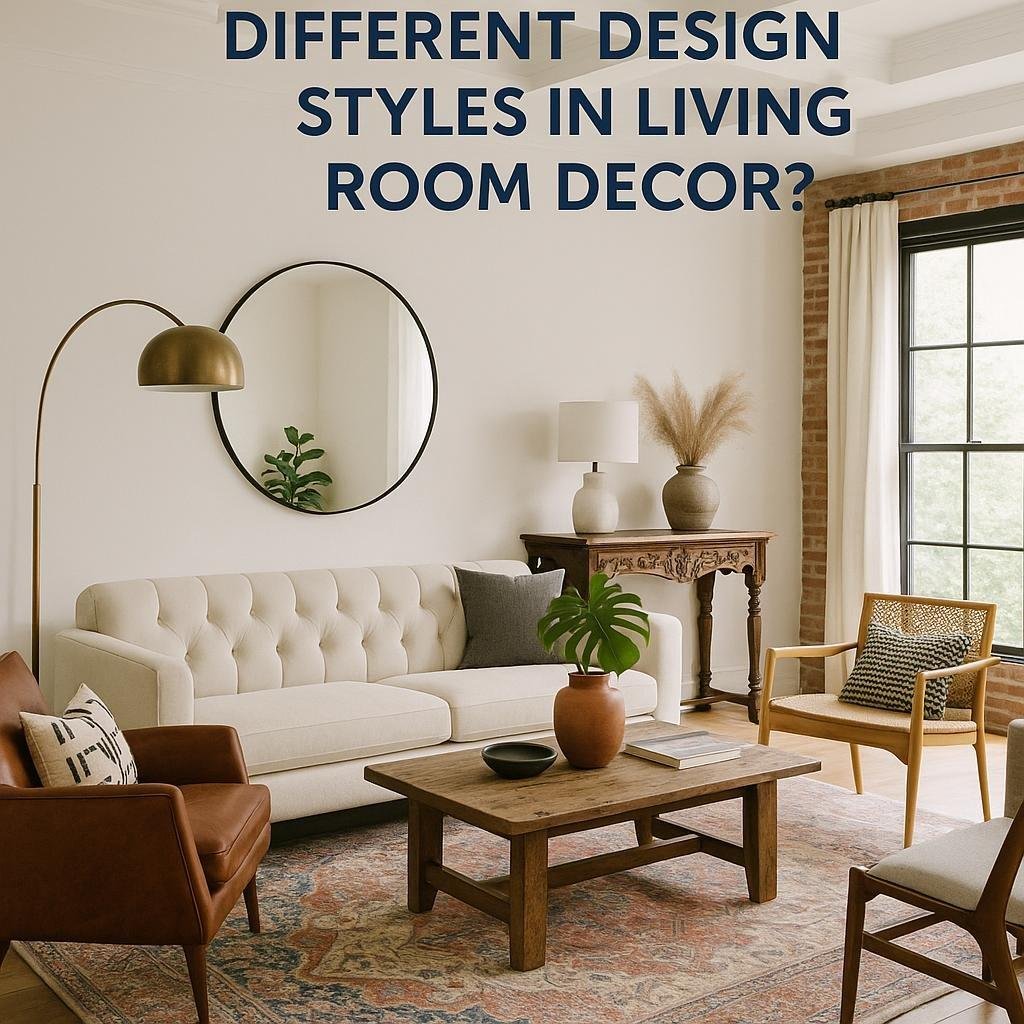
Mixing different design styles in living room decor is a creative way to personalize your space and make it truly unique. Rather than sticking to one specific aesthetic, combining elements from various styles allows you to showcase your personality and create a dynamic, inviting atmosphere. Whether you’re blending modern with vintage, rustic with contemporary, or eclectic with minimalist, the key is to strike the right balance so the room feels cohesive and harmonious. In this article, we’ll explore some helpful tips to guide you through the process of mixing design styles effectively, ensuring your living room becomes a beautifully curated reflection of your taste.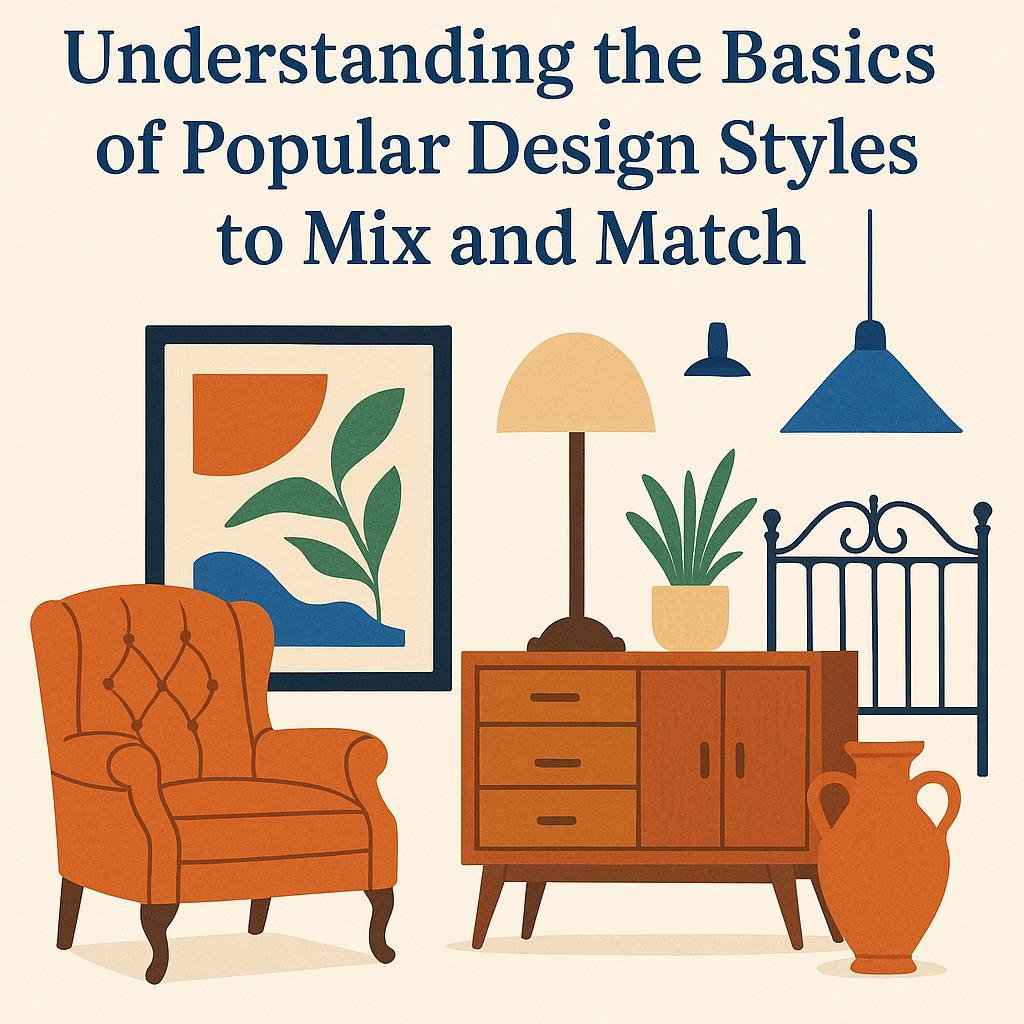
Understanding the Basics of Popular Design Styles to Mix and Match
When combining different design styles, it’s essential to first identify the defining characteristics of each. As a notable example,Mid-Century Modern emphasizes clean lines and functional furniture,while Bohemian embraces eclectic patterns and vibrant colors. Recognizing these distinct features allows you to blend elements in a way that complements rather than clashes. A helpful approach is choosing a dominant style as the foundation and then incorporating accents from secondary styles. This strategy maintains coherence while adding personality.
To create a harmonious mix,focus on these key elements:
- Color Palette: Use a consistent color scheme to tie together varied furniture and decor.
- textures: Combine materials like wood, metal, and fabric to add depth and interest.
- Patterns: Balance bold prints with subtle designs to avoid overwhelming the space.
- Scale and Proportion: Mix furniture of different sizes thoughtfully to maintain visual balance.
| Design Style | Key Features | Best Mix With |
|---|---|---|
| Scandinavian | Minimalist, light colors, natural elements | Modern, Rustic |
| industrial | Exposed metals, raw textures, neutral tones | Mid-Century Modern, Bohemian |
| Bohemian | Vibrant textiles, layered patterns, eclectic items | Eclectic, Vintage |
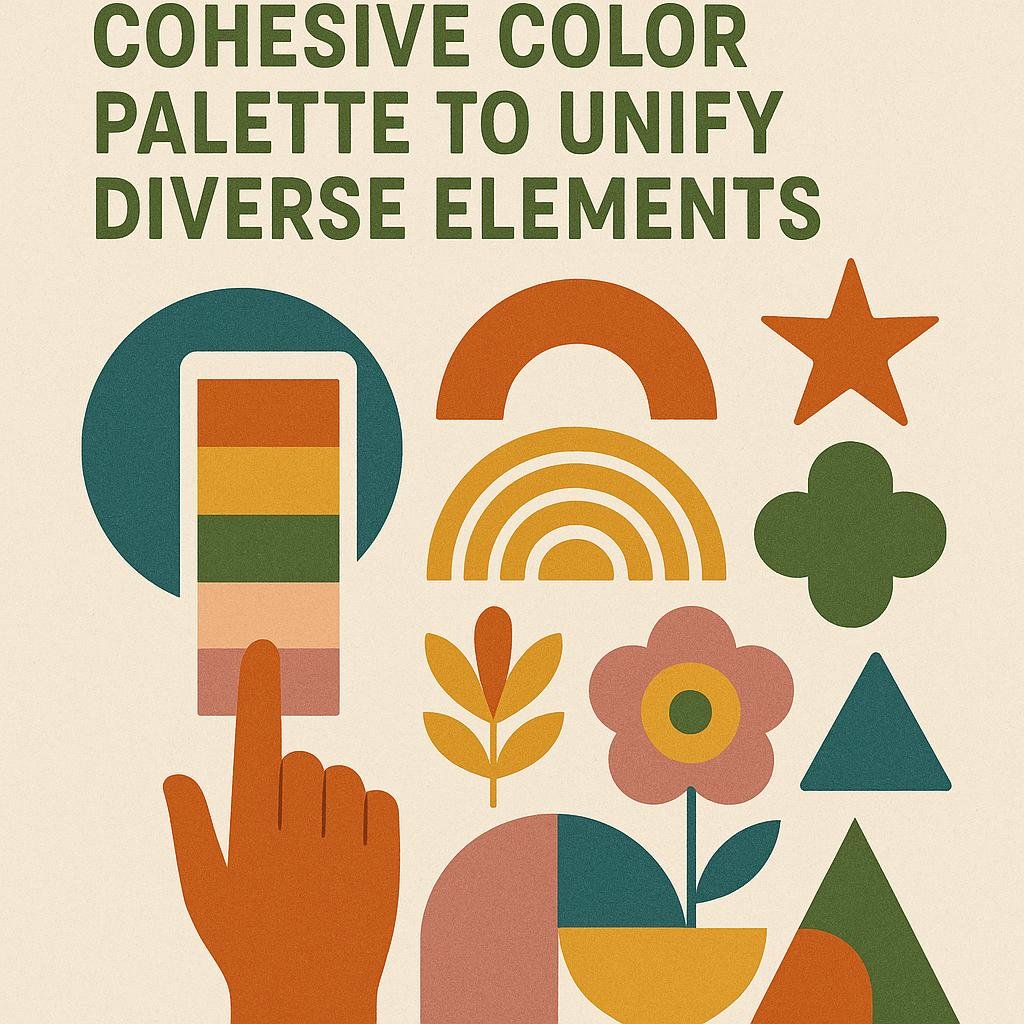
Choosing a Cohesive Color Palette to Unify Diverse Elements
When blending various design styles in your living room, establishing a harmonious color palette acts as the cornerstone for visual unity. Start by selecting a base color that resonates well with each style you’re incorporating, and then layer in complementary shades to tie everything together. Keeping a limited palette of three to five colors ensures cohesion without overwhelming the senses. Incorporating neutrals like soft grays, warm beiges, or crisp whites can provide balance and allow bold or patterned elements to shine. Remember, even the smallest accent piece can serve as a deliberate color bridge among your diverse furnishings.
Here’s a quick guide on how to create your own versatile palette that works across styles:
- pick one dominant color: Use this color for large areas such as walls or sofas.
- Choose a secondary color: This can be a contrasting tone,ideal for rugs or throw pillows.
- Add an accent color: Integrate this for smaller decor pieces to inject personality and spark interest.
| Color Role | Example | Purpose |
|---|---|---|
| Dominant | Warm Taupe | unify large furniture and wall color |
| Secondary | Muted Teal | Add contrast and depth in textiles |
| Accent | Burnt Orange | Highlight decorative elements |
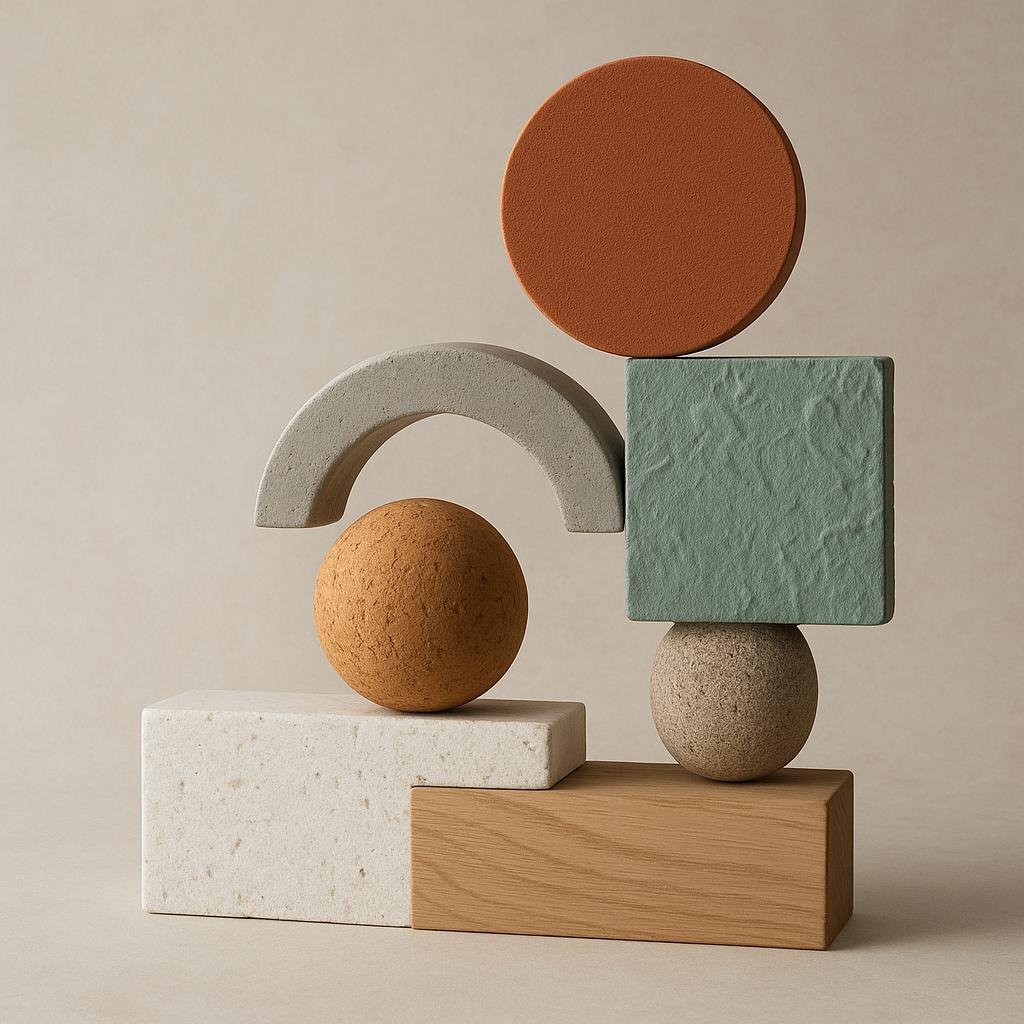
Balancing Textures and Materials for Visual harmony
Achieving a cohesive look when blending various design styles often hinges on the thoughtful combination of textures and materials. Start by selecting a primary texture that anchors the space, such as smooth leather or natural wood, and then introduce complementary textures that add depth and interest. For instance, pairing a sleek metal lamp with a soft wool throw creates a dynamic contrast that feels intentional rather than chaotic. Keep in mind the scale and tactile quality of each element to avoid overwhelming the senses—balance heavier, dense materials with lighter, airier ones.
Consider this simple guide to mix and match textures effectively:
- Layer Soft and Hard: Combine plush fabrics like velvet or linen with rigid surfaces like glass or concrete to produce visual balance.
- Mix Natural and Synthetic: Integrate natural fibers such as jute or rattan alongside modern metals or acrylic pieces for an eclectic yet harmonious vibe.
- Play with Finish: Matte, glossy, and rough finishes can coexist beautifully when distributed evenly throughout the room.
| Texture Type | Material Examples | effect in Room |
|---|---|---|
| Soft | Velvet, Cotton, Wool | Inviting, cozy feel |
| Hard | Metal, Glass, Concrete | Modern, sleek contrast |
| Natural | Wood, rattan, Jute | Earthy, warm atmosphere |
| Glossy | Lacquer, Polished Stone | Elegant, reflective light |
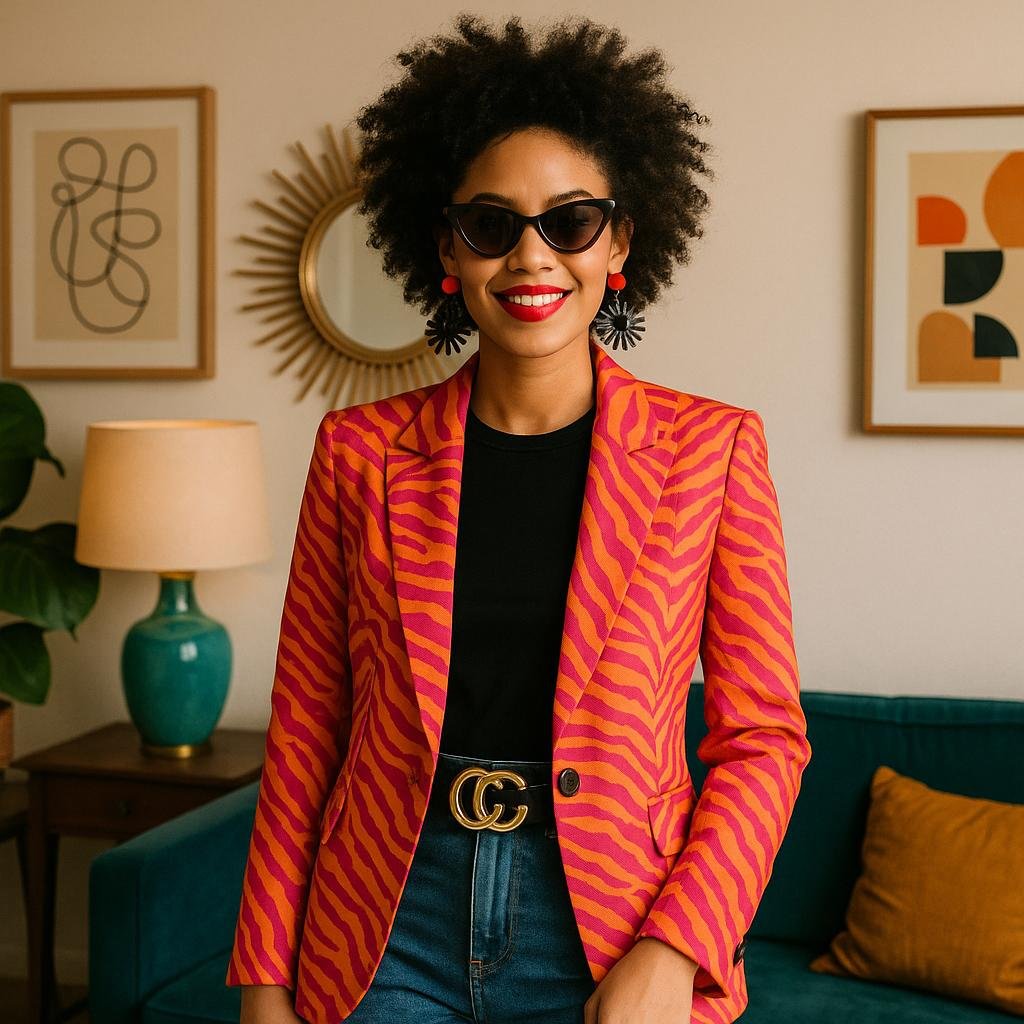
incorporating Statement Pieces to Showcase Personality and Style
Statement pieces act as the soul of your living room, instantly adding character and a unique flair that captures your personal taste. When selecting these eye-catching elements, consider bold colors, unusual shapes, or distinctive materials that contrast yet complement your existing decor. For example, a vibrant velvet armchair, an intricately patterned rug, or a sculptural coffee table can elevate the space, creating focal points that invite conversation and admiration. By prioritizing quality and craftsmanship, you ensure these items stand the test of time while continuously enhancing the room’s overall aesthetic.
Balancing statement pieces with subtler design elements is key to maintaining harmony and flow.Use smaller, complementary accents to echo the styles and hues of your boldest items—think of cushions, artwork, or lighting fixtures that subtly reference your standout piece. This approach not only ties the room together but enriches the visual story you want to tell. Below is a simple guide to pairing statement pieces with supporting decor:
| Statement Piece | Supporting Element | Effect |
|---|---|---|
| Mid-century leather sofa | Geometric throw pillows | Modern contrast with cozy appeal |
| Bold abstract painting | Neutral-toned side tables | Focus on art, balanced space |
| Brass chandelier | Soft linen curtains | Luxurious warmth with softness |
Future Outlook
Mixing different design styles in your living room can be a rewarding way to create a space that truly reflects your personality and tastes.By thoughtfully combining elements—from colors and textures to furniture and accessories—you can achieve a harmonious and visually engaging room that feels both cohesive and unique. Remember to balance contrasts, maintain a consistent color palette, and incorporate transitional pieces to tie everything together. With these tips in mind, you’ll be well on your way to designing a living room that’s not only stylish but also warmly inviting.Happy decorating!