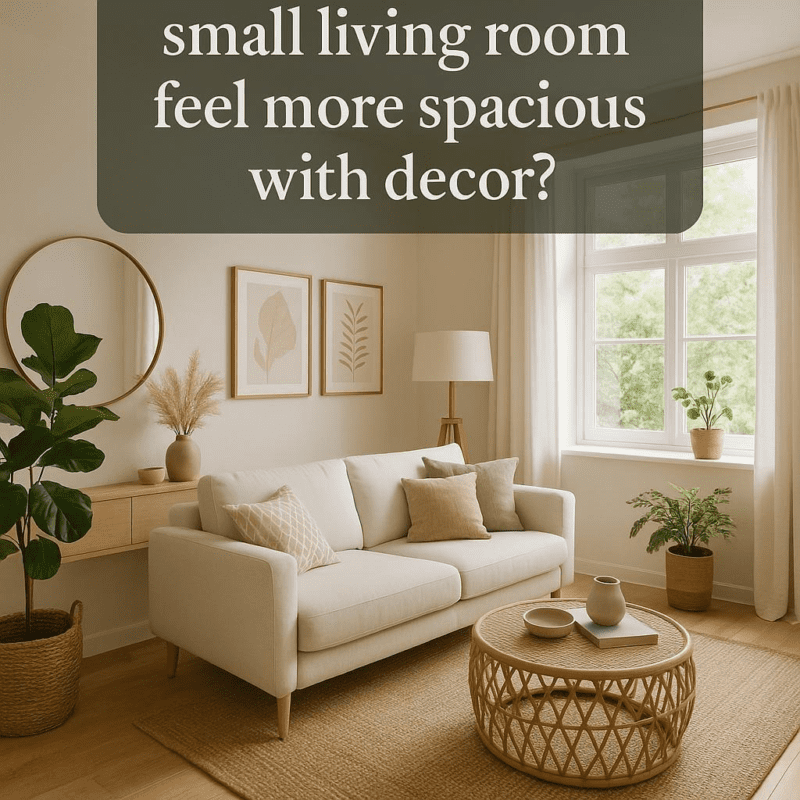
How can I implement a biophilic design with plants in my living room decor?

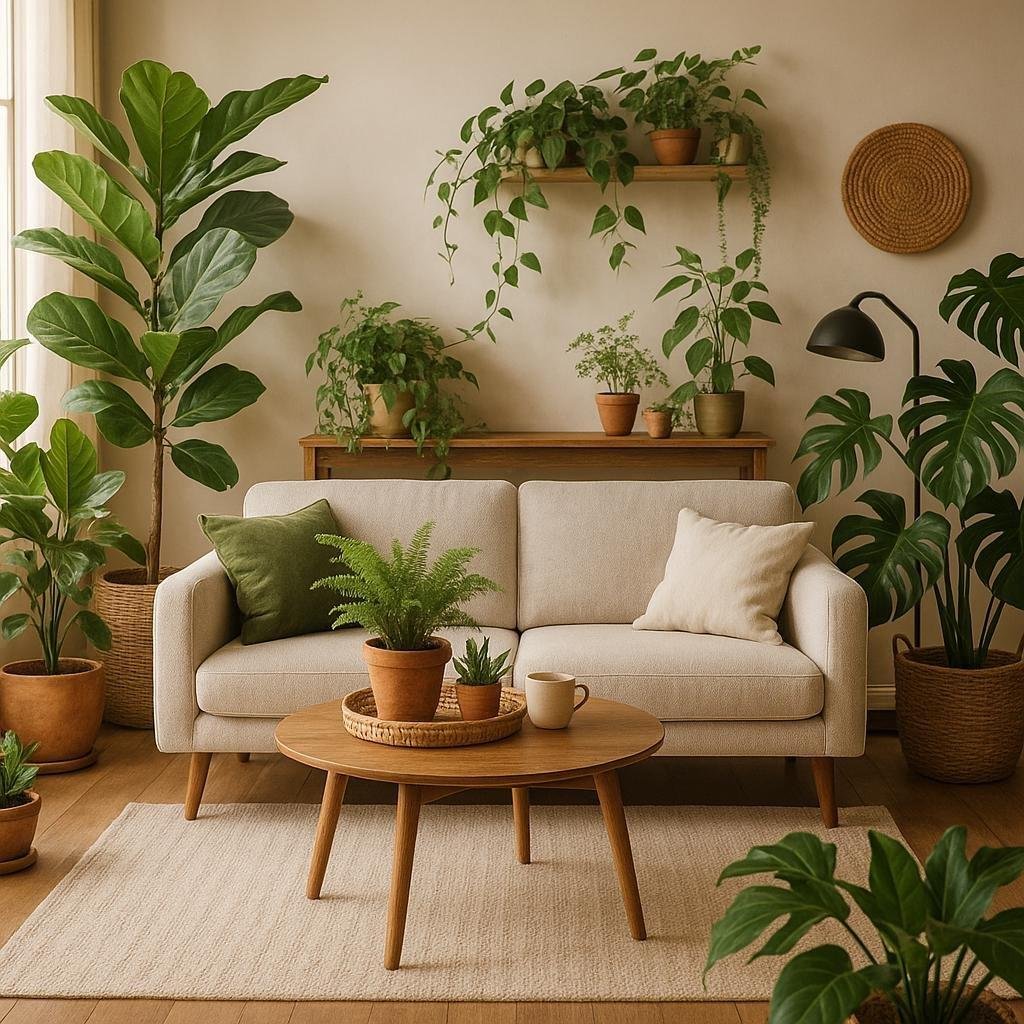
Bringing a touch of nature indoors has become a popular way to create a calming and inviting living space.Biophilic design, which emphasizes the connection between humans and the natural world, offers a stunning and practical approach to home decor. By incorporating plants into your living room, you can enhance air quality, boost your mood, and add vibrant life to your surroundings. In this article, we’ll explore simple and effective ways to implement biophilic design with plants, helping you transform your living room into a refreshing oasis that nurtures both body and mind.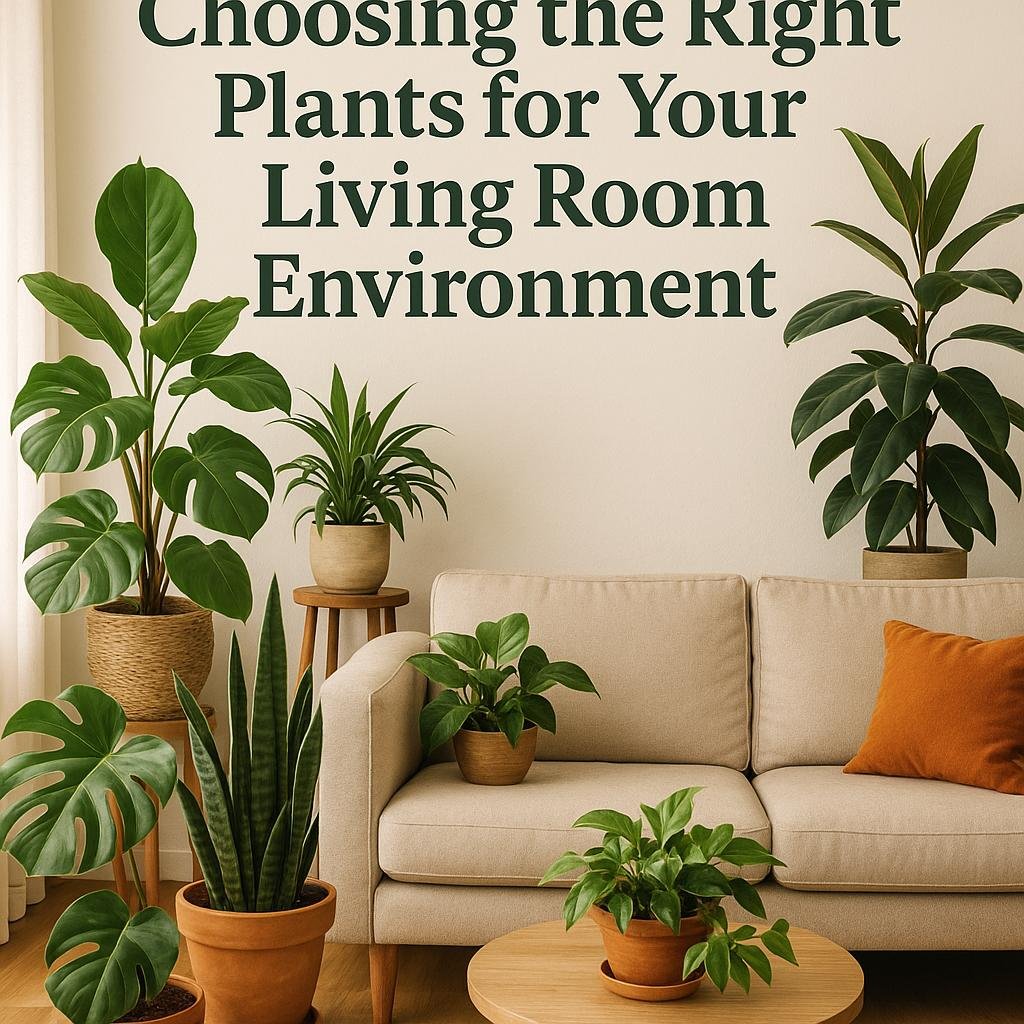
Choosing the Right Plants for Your living Room Environment
when selecting plants for your living room, it’s essential to consider the specific conditions of the space. Factors such as light availability, humidity levels, and temperature fluctuations will determine which plants thrive and contribute positively to your biophilic design. for rooms with ample natural light, vibrant options like Fiddle Leaf Figs or Monstera Deliciosa bring a bold, sculptural presence that instantly enlivens your decor. Conversely, for dimmer corners, resilient species such as ZZ Plants and Snake Plants provide lush greenery without requiring constant sunlight or high maintenance.
Additionally, it’s helpful to think about the functional benefits of each plant alongside their aesthetic appeal. Beyond just looking beautiful, many indoor plants can improve air quality, reduce noise levels, and create a serene atmosphere. Consider this fast overview of ideal living room plants and their care needs:
| Plant | Light Requirement | Care Level | Key Benefit |
|---|---|---|---|
| Fiddle Leaf Fig | Bright, indirect | Moderate | Statement piece, air purifier |
| Snake Plant | Low to bright indirect | Low | Air quality, easy care |
| Spider Plant | Moderate indirect | Low | Removes toxins, adaptable |
| Peace Lily | Low to moderate indirect | Moderate | Air purification, flowering |
- Match plant size to room size: Large plants make great focal points in spacious rooms, while smaller pots suit cozier areas or shelves.
- Mix textures and shapes: Combine leafy, trailing, and upright varieties to create layered depth and natural interest.
- Consider pet safety: Choose non-toxic plants if you have furry friends sharing your living space.
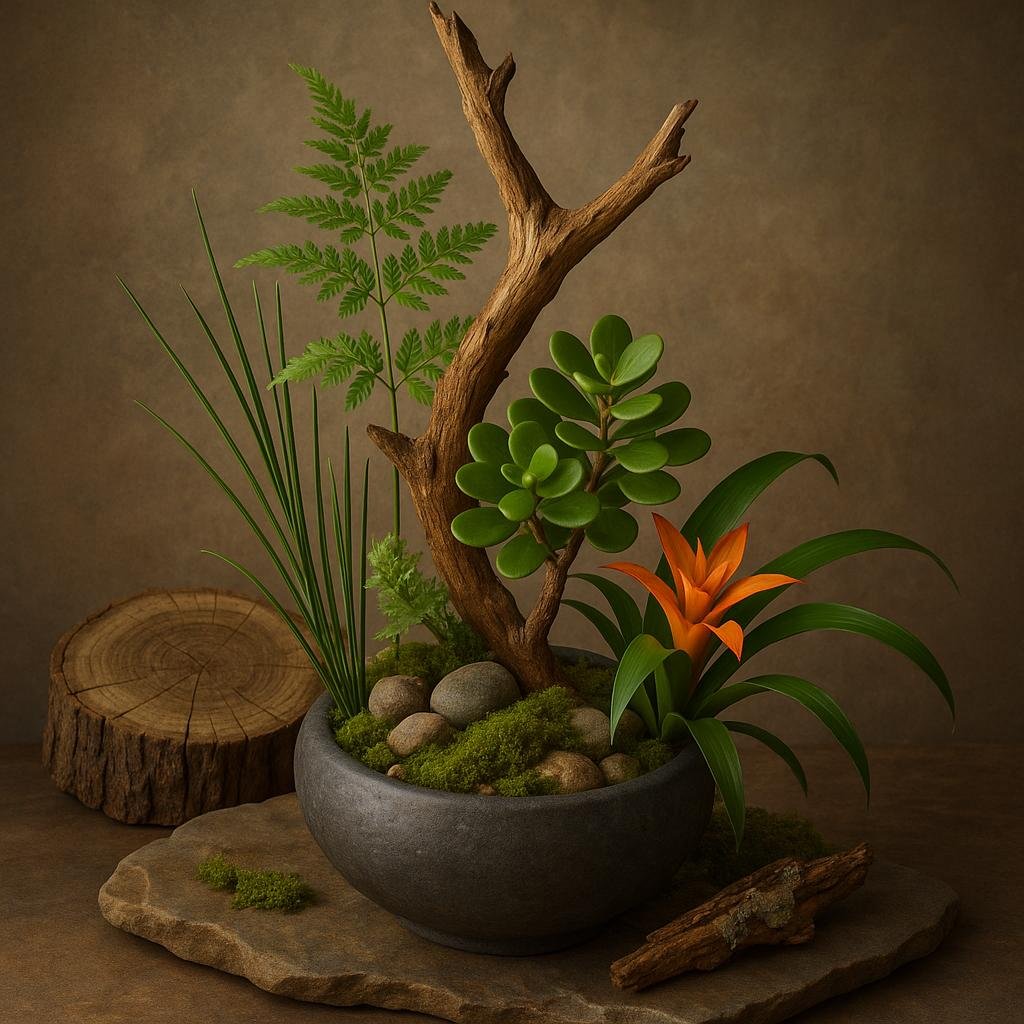
Incorporating Natural Elements with Plant Arrangement Techniques
Bringing natural elements into your living room thru thoughtful plant arrangement enhances both the aesthetic and the sensory experience of the space. Start by grouping plants of varying heights and textures to create dynamic focal points that mimic nature’s layered beauty. Incorporate trailing vines like pothos or string of pearls on shelves to add vertical interest, while placing desktop or floor plants such as snake plants or fiddle leaf figs for structure and greenery. Don’t hesitate to mix different leaf shapes and colors—variegated leaves, deep greens, and soft silvers can provide subtle contrast and avoid monotony.
To maximize the biophilic effect, consider the positioning of your plants:
- Near natural light sources: Windowsills and corners bathed in sunlight are ideal spots.
- In natural containers: Use pots made of terracotta, wood, or woven materials to enhance organic vibes.
- Multi-layered design: Place smaller plants on raised surfaces like stools or plant stands to create different elevation levels.
- Integrate plant care essentials: Keep a stylish watering can and humidity tray visible to promote mindful and consistent care.
| Plant Type | light Needs | Design Tip |
|---|---|---|
| Fern | Indirect light | Place on hanging pots for a cascading effect |
| Succulent | Direct sunlight | Group in clusters on sunny shelves |
| Peace Lily | Low to medium light | Use as floor plants for calming zones |
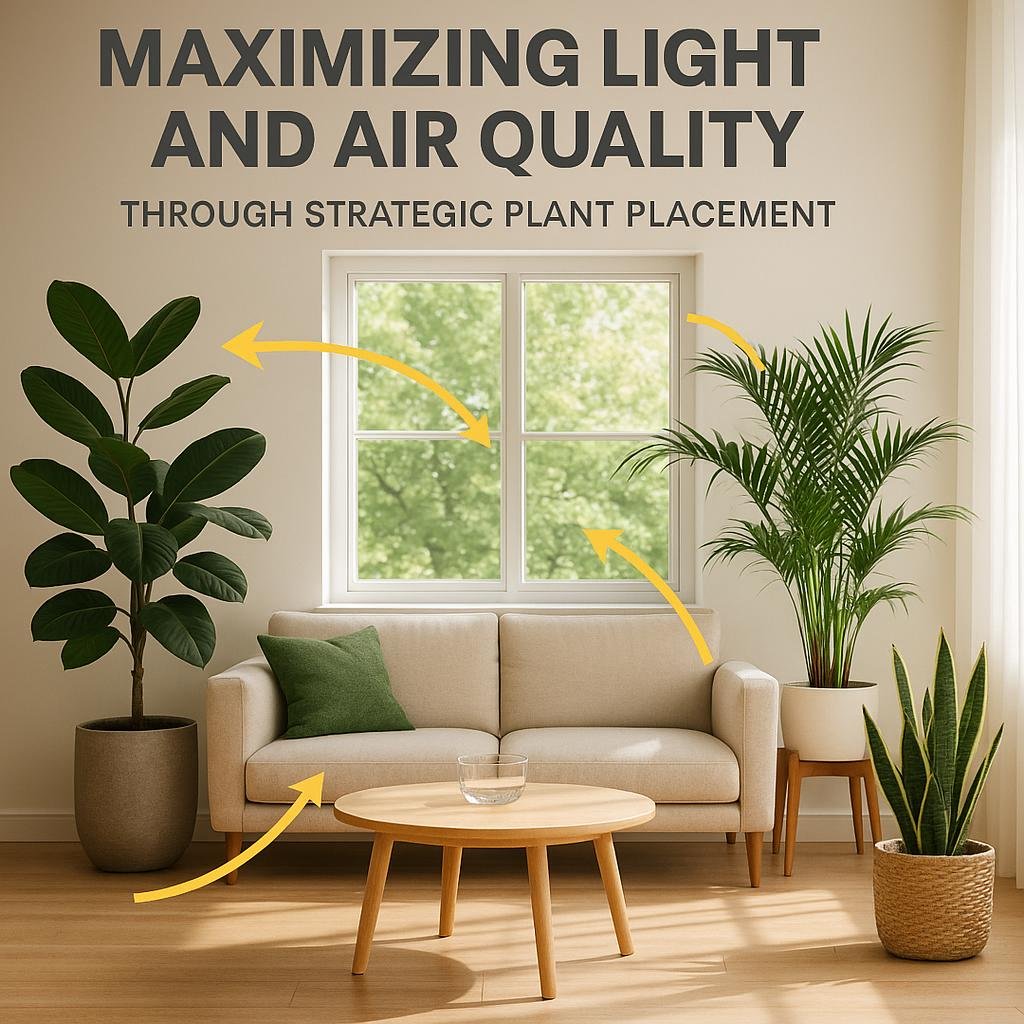
Maximizing Light and Air Quality Through Strategic Plant Placement
To enhance both natural light and air quality, consider positioning your plants near windows that receive ample sunlight throughout the day. Placing tall plants like fiddle leaf figs or snake plants close to these spots allows them to photosynthesize efficiently, while smaller plants such as succulents or pothos can thrive on adjoining shelves or tables where indirect light is abundant. This not only maximizes their growth potential but also ensures your living room feels fresh and vibrant.
Beyond sunlight, strategic placement can improve air circulation and promote purification. Plants like Boston ferns and peace lilies excel at filtering indoor air pollutants and should be arranged in areas where airflow is steady but not drafty, such as near vents or open doorways. For optimal impact, try grouping plants in clusters, mixing varieties that purify air with those that boost humidity. Here’s a simple guide to help you choose the best spots:
| Plant type | Light Needs | Ideal Placement | Air Quality benefit |
|---|---|---|---|
| Fiddle Leaf Fig | Bright, indirect | Near east/west-facing windows | Oxygen production |
| Boston Fern | Indirect light | Near vents or humid areas | Air purifier & humidity booster |
| Snake Plant | Low to bright light | corner of room or near window | removes toxins |
| Peace Lily | Low to medium light | Shaded spots with airflow | air purifier & toxin remover |
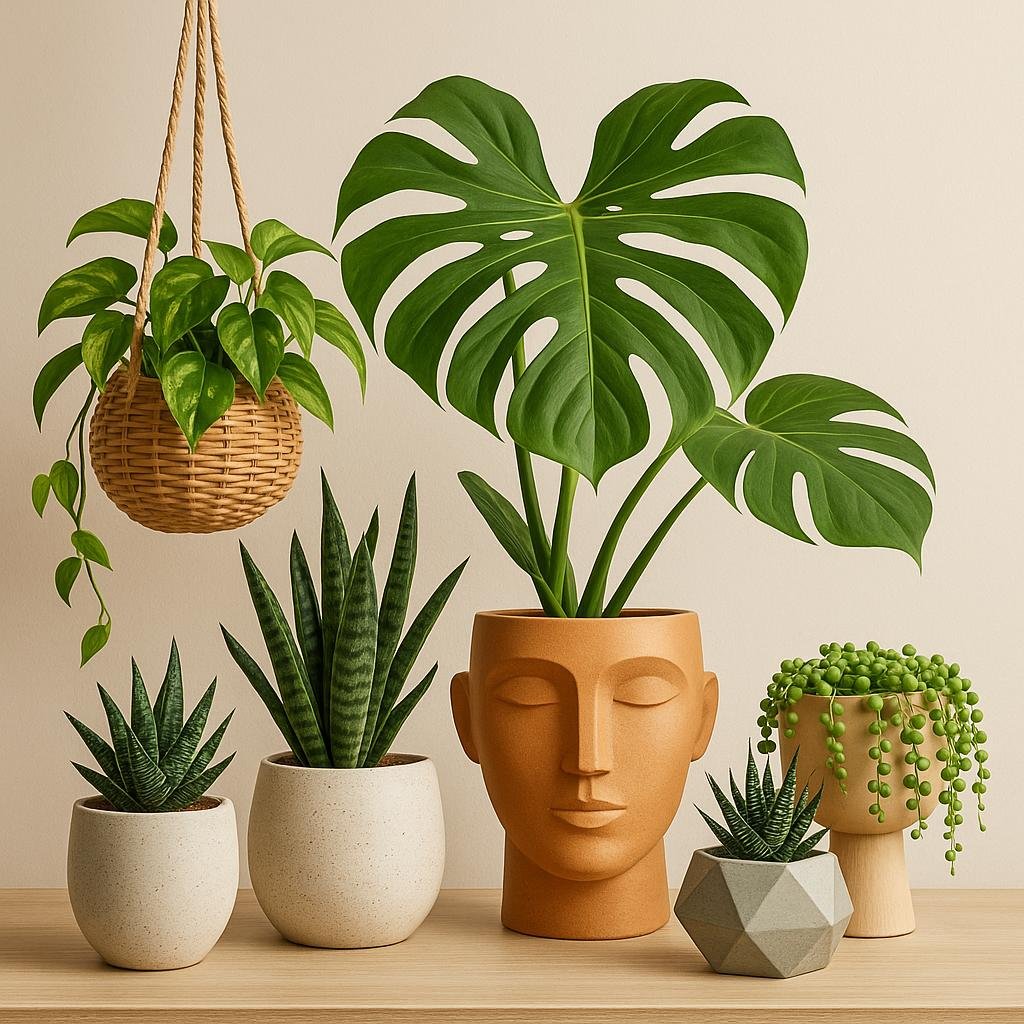
Creative Ideas for Stylish Planters and Plant Displays
enhancing your living room with plants doesn’t have to be limited to traditional pots on the windowsill.Think beyond the conventional by incorporating vertical gardens or hanging planters to add depth and visual interest to your space without compromising on floor area. Using macramé hangers or wall-mounted frames, you can create a living tapestry of greenery that breathes life into your decor. Combine different plant types such as trailing ivy, air plants, and succulents for texture diversity, all while promoting a soothing and natural atmosphere.
For a more sculptural approach,experiment with stacking planters or grouping pots of varying heights and materials to create a dynamic focal point. Consider materials like terracotta, ceramic, and woven baskets for an eclectic yet cohesive display.Here is a simple guide to choosing your planters based on the plant and style:
| Plant Type | Recommended Planter | Style Tip |
|---|---|---|
| Ferns | Hanging Baskets | Macramé hangers add texture |
| Cacti & Succulents | Geometric Ceramic Pots | Minimalist and modern look |
| Monstera | Large Terracotta Planters | Rustic and earthy feel |
| air Plants | Glass Terrariums | Creates an elegant display |
In Summary
Incorporating biophilic design into your living room with carefully chosen plants is a fantastic way to create a calming, nature-inspired space that promotes well-being. By selecting a variety of greenery that suits your light conditions and personal style, you can bring life, texture, and fresh air into your home. Whether through hanging planters, statement floor plants, or a small indoor garden, these natural elements not only enhance your decor but also foster a deeper connection to the outdoors. Remember, the key is to find a balance that feels both inviting and manageable, making your living room a true sanctuary where nature and comfort coexist beautifully.