How do different types of lighting affect neutral color palettes in a living room?

When designing a living room, choosing a neutral color palette is a popular way to create a calm, versatile, and timeless space. However, the way these neutral shades-like soft beiges, warm grays, and creamy whites-appear can change dramatically depending on the type of lighting you use. From natural sunlight to warm incandescent bulbs or cool LED lights, each lighting option interacts with neutral hues in unique ways, influencing the overall mood and feel of your room. In this article, we’ll explore how different types of lighting affect neutral color palettes in living rooms, helping you make informed decisions to create the perfect ambiance for your home.
Understanding the Interaction Between Natural Light and neutral Tones
Natural light plays a pivotal role in defining the ambiance when paired with neutral color palettes. As sunlight flows into a living room, it subtly shifts the appearance of beiges, greys, and off-whites throughout the day. During the morning, the cooler, bluish tones of natural light can make neutrals feel crisp and fresh, enhancing a sense of calm and openness.By contrast, in the late afternoon, the warmer, golden rays add softness and depth, allowing neutral walls and furnishings to radiate warmth without overwhelming the space. This dynamic interaction ensures that neutral tones retain their versatility, adapting gracefully to different moods created by daylight.
When designing with neutrals, it’s critically important to consider not just the color itself but how natural light will modify its perception. Here are a few aspects to keep in mind:
- Direction and intensity: North-facing rooms tend to have cooler, steadier light, enhancing gray and cooler neutrals, while south-facing rooms bring out warmer undertones.
- time of day: Morning light is typically bright and energizing, midday sun can be harsh and revealing, and evening light softens the room, perfect for relaxing neutrals.
- Seasonal changes: The sun’s angle and daylight duration vary seasonally, subtly altering how neutrals appear and feel throughout the year.
| Natural Light Aspect | Effect on Neutral Tones |
|---|---|
| Morning Light | Brightens cool neutrals, creates freshness |
| Afternoon Light | Enhances warm undertones, adds softness |
| North-facing Rooms | Promotes cooler, calming ambiance |
| South-facing Rooms | Highlights warmer, inviting tones |
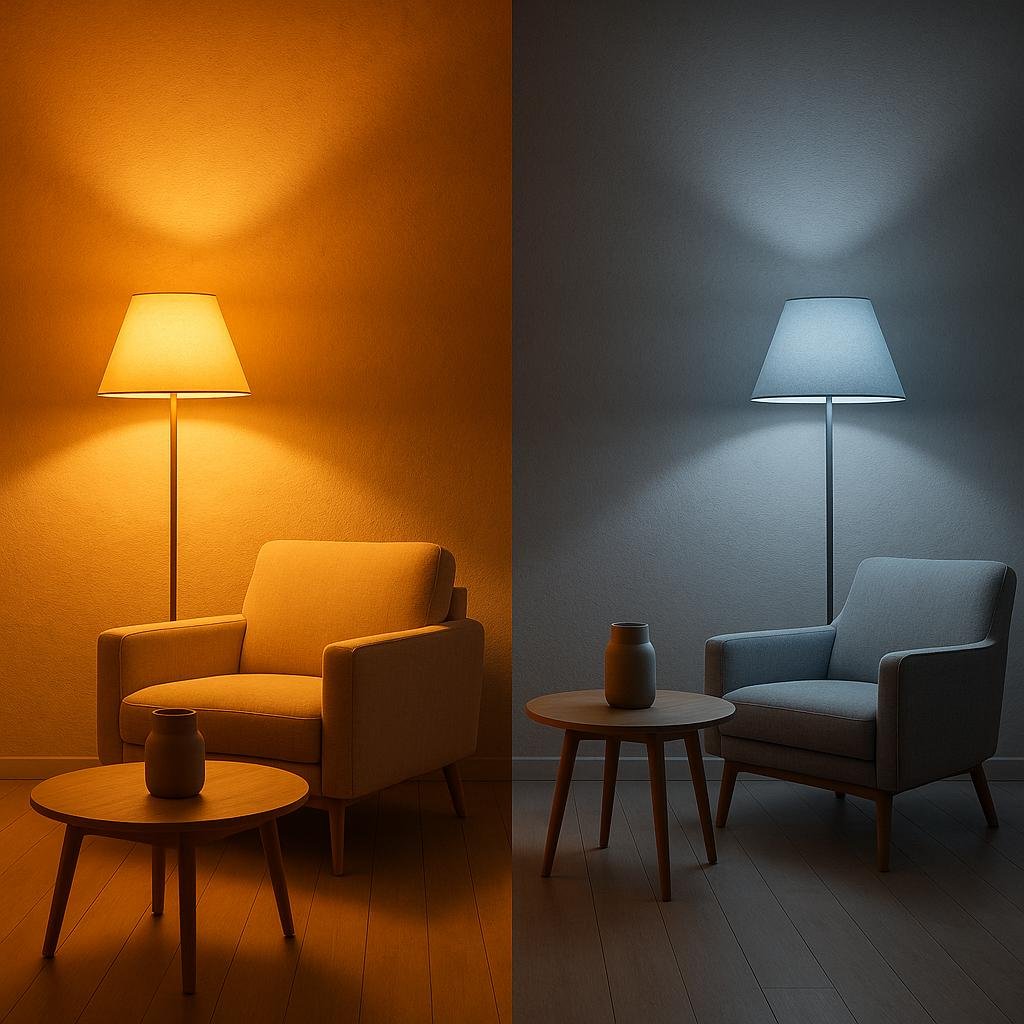
Exploring the Impact of Warm and Cool Artificial Lighting on Beige and Gray
when choosing between warm and cool artificial lighting for beige and gray tones,it’s fascinating to observe how each type shapes the ambiance. Warm lighting, typically in the range of 2700K to 3000K, adds a cozy and inviting glow, enriching beige shades with a subtle golden undertone while softening the starkness of gray. This creates a comforting atmosphere, perfect for living rooms intended as relaxing retreats. On the other hand, cool lighting, around 4000K to 5000K, enhances the modern and sleek qualities of gray by bringing out its blue and silver elements, while it can sometimes make beige appear slightly washed out or dull. The interplay between light temperature and neutral colors can completely redefine the mood of the space.
Understanding how different lighting affects these neutral palettes helps in selecting the right fixtures and bulbs. Here is a fast overview of their impact:
- Warm lighting: promotes warmth and intimacy, ideal for beige, lends softness to gray.
- Cool lighting: emphasizes clarity and crispness, brings out cool undertones in gray, but may tone down beige vibrancy.
- Adjustable/Dim lighting: offers flexibility, allowing dynamic changes to suit mood or time of day.
| Lighting Type | Effect on Beige | Effect on Gray |
|---|---|---|
| Warm (2700K-3000K) | Rich,cozy,golden warmth | Softened,inviting |
| Neutral (3500K-4000K) | Balanced,natural | True to tone,moderate contrast |
| Cool (4000K-5000K) | Muted,slightly dull | Sharp,crisp,highlights blue undertones |

Choosing the Right Lighting Fixtures to Enhance Subtle Color Variations
When selecting lighting fixtures to highlight subtle variations within a neutral color scheme, it’s crucial to consider the light’s warmth and intensity. Warmer lights (2700K-3000K) tend to deepen beige and cream tones,creating a cozy,inviting atmosphere,while cooler lights (3500K-4100K) bring out delicate greys and whites,lending a more modern and crisp feel.Adjustable fixtures such as dimmable LEDs or track lighting offer the flexibility to shift the focus on different elements of the palette throughout the day, allowing you to play with shadows and highlights that bring nuanced textures to life.
Beyond color temperature, the style and placement of the fixtures dramatically influence how your living room’s soft hues are perceived.Consider:
- Layered Lighting: Combine ambient, task, and accent lighting to create depth and emphasize specific areas.
- Directional Lighting: Spotlights or adjustable recessed lights can draw attention to subtle contrasts or textured walls.
- Decorative Fixtures: Incorporate lamps or pendants with translucent or matte shades to diffuse light softly, preventing harsh glare that might flatten the palette.
| Lighting Type | Effect on neutrals | Best Use |
|---|---|---|
| Warm LED (2700K) | Enhances warmth, softens whites | Cozy corners, reading nooks |
| Neutral White (3500K) | Maintains true color tones | General illumination |
| Cool White (4100K) | Accentuates gray shades, crisp | Modern, minimal settings |

Practical Tips for Layering Light to maintain a cozy and Inviting Atmosphere
Start by mixing different light sources at varying heights to create depth and warmth. Use a combination of ambient lighting such as ceiling lights or soft recessed fixtures, along with task lighting like floor lamps or reading lights, to add functionality without sacrificing coziness. Incorporate warm white bulbs (around 2700K to 3000K) to enhance the natural tones of your neutral palette,preventing the space from feeling too sterile. Add accent lighting with dimmable wall sconces or LED strips behind furniture to highlight textures and architectural features subtly.
Layering light effectively also means considering the dimming capability to adjust the ambiance based on time and activity. Here’s a quick guide to balancing various types of lighting in a neutral living room:
| Lighting Type | Purpose | Recommended Use | Effect on Neutrals |
|---|---|---|---|
| Ambient | General illumination | Overhead fixtures, ceiling lights | Softens shadows and unifies color |
| Task | Focused activities | Desk lamps, floor lamps | Creates contrast and definition |
| Accent | Highlighting | Wall sconces, LED strips | Adds warmth and texture emphasis |
- Use smart bulbs for versatile color temperature and dimming options.
- Incorporate soft fabric lampshades to diffuse light gently.
- Arrange lamps strategically near seating areas for inviting glows.
To Conclude
understanding how various types of lighting interact with neutral color palettes can truly transform the ambiance of your living room. Whether you opt for warm incandescent bulbs to create a cozy, inviting space or cool LED lighting to emphasize crisp, modern lines, the right illumination highlights the subtle beauty of neutral tones. By thoughtfully combining natural light with artificial sources, you can enhance textures and add depth, making your neutral living room feel both balanced and dynamic. Remember, lighting is not just a practical necessity-it’s a powerful design tool that can elevate the understated elegance of neutral colors to new heights.