10 Minimalist Interior Design Ideas That Will Transform Your Home into a Calm Oasis!

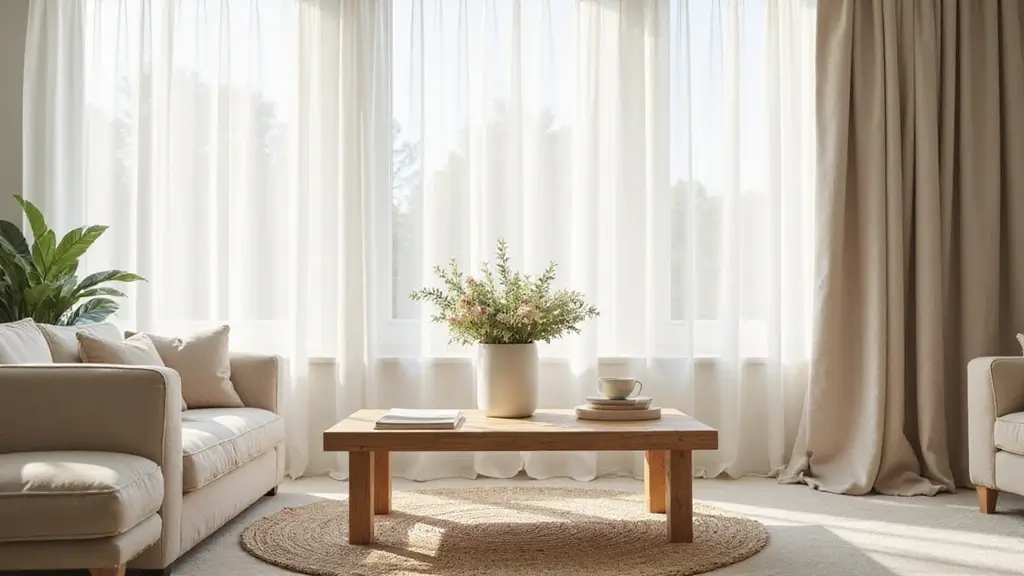
Minimalist interior design isn’t just a trend; it’s a lifestyle choice that brings a sense of peace and harmony to your home.
By embracing simplicity and decluttering your space, you can create a serene environment that promotes relaxation and mindfulness. This article explores ten inspiring minimalist design ideas that will help you transform your home into a calm oasis. Ready to dive into simplicity and elegance? Let’s jump in!
1. Embrace Neutral Colors
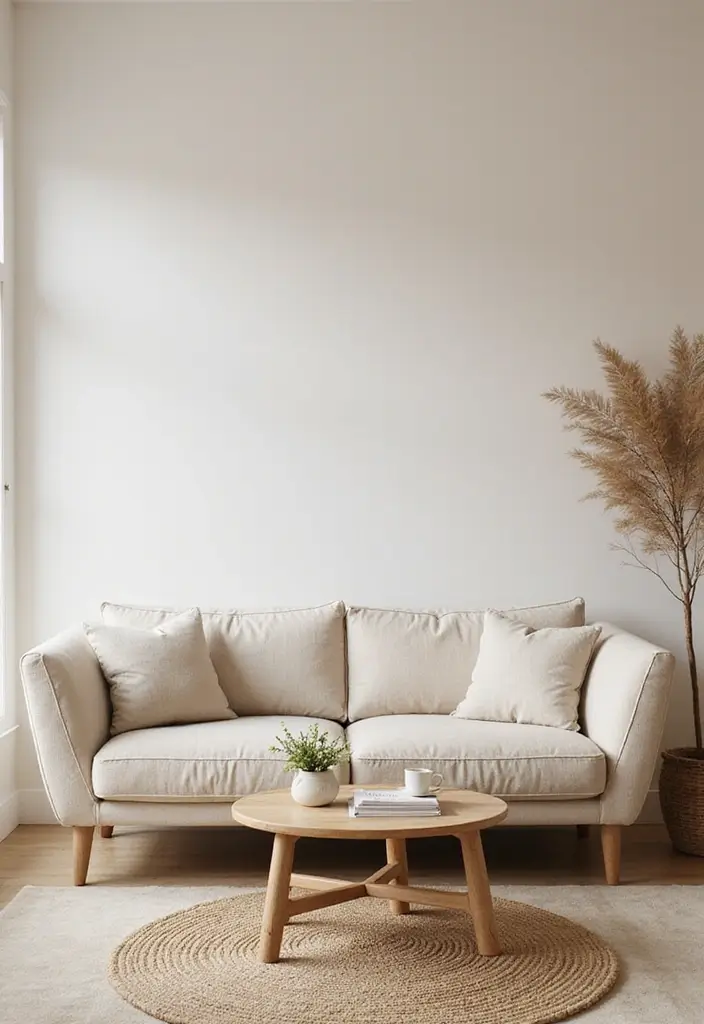
One of the easiest ways to achieve a minimalist look is to embrace a palette of neutral colors. Soft whites, beiges, and grays create an airy atmosphere that instantly calms the mind.
By using these shades on walls, furniture, and decor, you can create a harmonious and cohesive space. Consider adding textures like linen or wool to enrich the design without overwhelming it. Keep accent colors to a minimum to maintain that soothing vibe. Neutral-colored artworks or a single bold piece can serve as a focal point without cluttering the area.
– Use varying shades of the same color for depth.
– Incorporate natural materials to keep things interesting.
– Stick to two or three main colors to simplify your design.
This approach allows you to cultivate a serene and inviting atmosphere, perfect for unwinding after a long day.
2. Opt for Multi-Functional Furniture
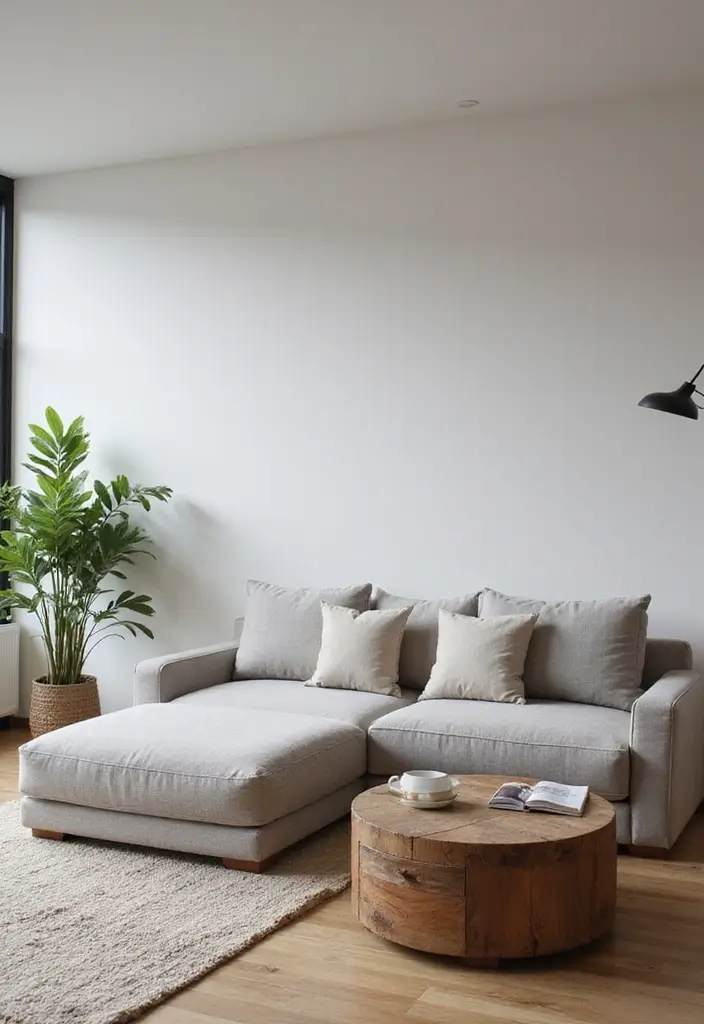
When space is at a premium, multi-functional furniture is your best friend. Think about designs that serve more than one purpose, like a sofa bed that transforms your living room into a guest room.
Coffee tables with storage or benches that double as seating can help keep your home uncluttered. This not only maximizes space but also simplifies your environment. Look for sleek designs that fit seamlessly into your decor, enhancing rather than distracting from your minimalist aesthetic.
– A hidden drawer coffee table to tuck away items.
– A foldable dining table for compact living.
– Ottomans that serve as both seating and storage.
By investing in versatile pieces, you can declutter while maintaining functionality and style.
3. Create Open Spaces
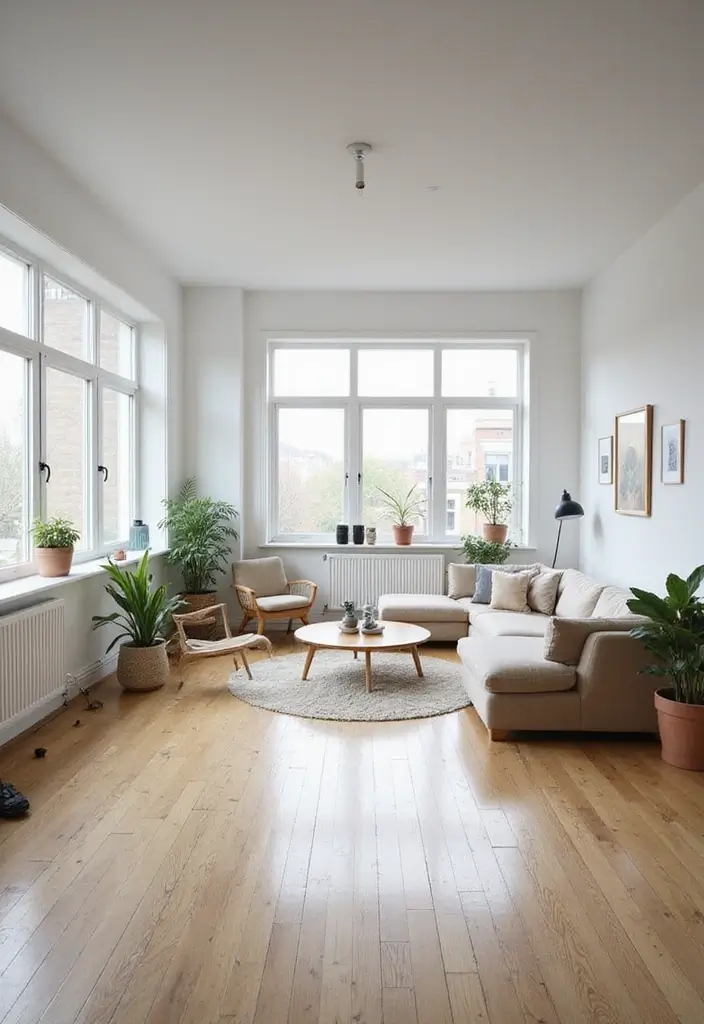
Open spaces are synonymous with minimalism, promoting a sense of freedom and tranquility. By removing unnecessary walls or barriers, you can create a flowing environment that enhances the overall feel of your home.
Consider using furniture arrangements that encourage movement and open sightlines. If you’re renovating, think about how you can connect your living areas more fluidly. Using area rugs can define spaces without physical barriers, allowing for a seamless transition between rooms.
– Declutter regularly to maintain that open feel.
– Use mirrors strategically to give the illusion of more space.
– Keep pathways clear for easy movement.
This open concept not only brings in more light but also makes your home feel larger and more inviting.
Embrace the beauty of open spaces! A minimalistic approach allows your home to breathe, inviting tranquility and freedom into every corner.
4. Choose Simple Art Pieces
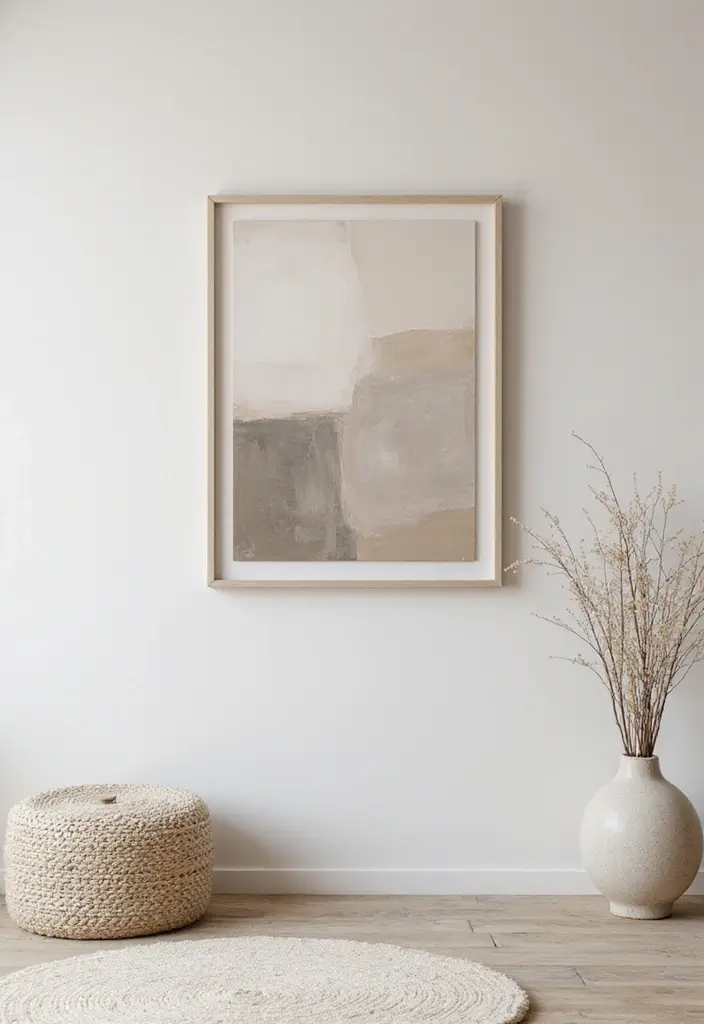
Art can elevate a minimalist space, but it’s important to choose pieces that contribute to the overall vibe rather than distract from it. Look for artwork that features simple lines, monochromatic colors, or abstract forms.
The goal is to find pieces that are visually striking yet maintain the sense of calm throughout your home. A large, unframed canvas can serve as a stunning focal point without overwhelming your space. Consider rotating art regularly to keep things fresh without adding clutter.
– Look for local artists who work with simplicity in mind.
– Use one large piece instead of multiple small ones for impact.
– Neutral frames can help blend artwork with your decor.
By selecting the right art, you can express your personality while keeping the minimalist feel intact.
5. Integrate Nature Indoors
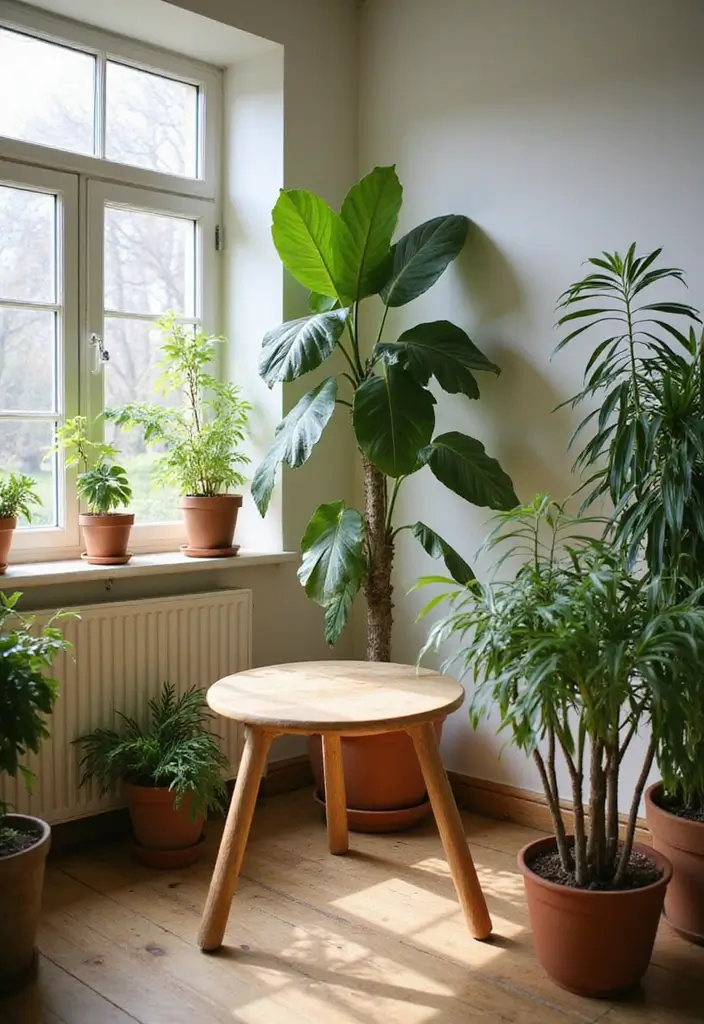
Nature has an incredible ability to soothe and ground us, making it a perfect fit for minimalist design. Incorporating plants into your home can enhance the tranquility of your space.
Choose low-maintenance options like succulents or snake plants that require little upkeep. Positioning greenery in corners or on window sills can create a refreshing focal point. Consider using simple pots that complement your decor without overpowering it. Adding natural elements like stones or wood can also tie in that earthy feel.
– Use hanging plants to save space and add interest.
– Keep plants in uniform pots for a streamlined look.
– Rotate plants for seasonal variety without clutter.
Incorporating nature doesn’t just beautify your home; it promotes wellbeing and calmness in your everyday life.
Bringing nature indoors doesn’t just beautify your space; it creates a calming oasis that nourishes your soul. A simple plant can be the perfect focal point in your minimalist interior design!
6. Keep Textures in Mind
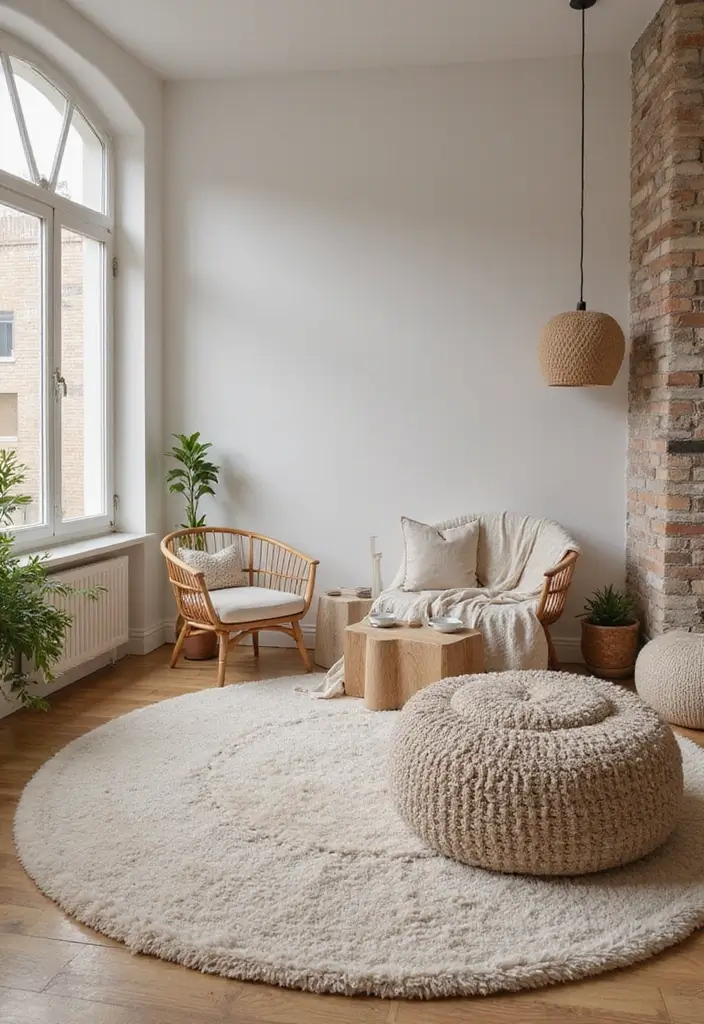
Minimalism doesn’t mean your space has to feel flat or boring. Utilizing different textures can add depth and interest while maintaining a clean aesthetic. Focus on layering textures through textiles, wood, and ceramics.
For instance, pairing a soft wool throw with a sleek leather chair can create an inviting atmosphere without overwhelming the senses. Introduce elements like plush rugs, smooth stone surfaces, and natural wood finishes to add warmth and comfort.
– Mix matte and glossy finishes for contrast.
– Use patterned textiles sparingly to enhance without distracting.
– Consider tactile elements like woven baskets for storage.
By being intentional with textures, you can create an inviting minimalist space that feels cozy and welcoming.
7. Say No to Clutter
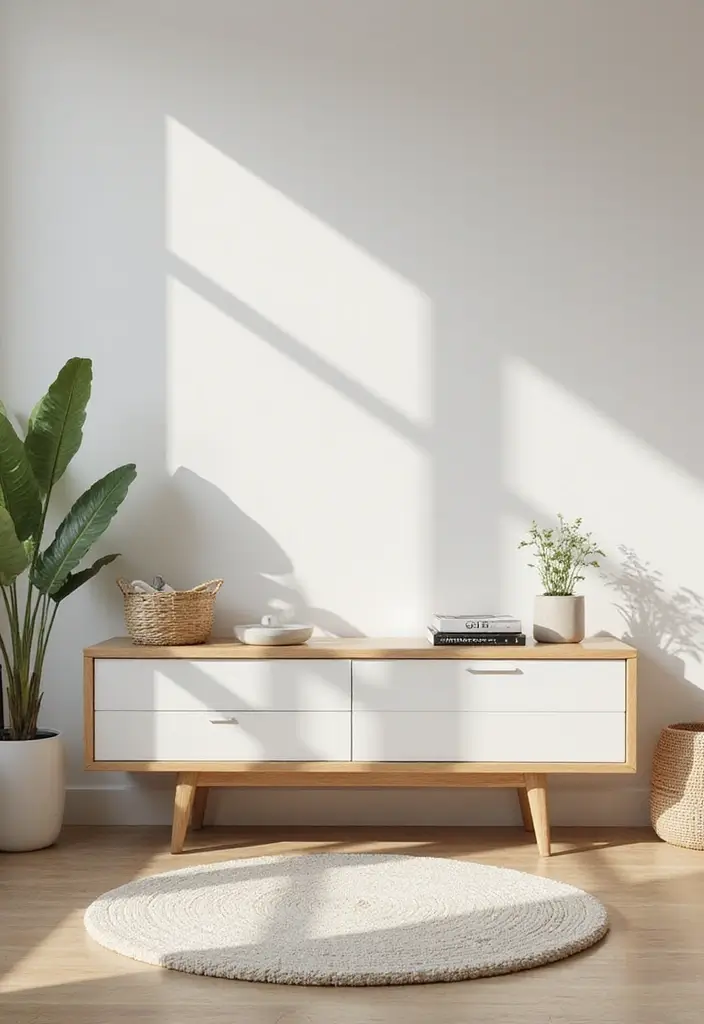
Clutter is the enemy of minimalism. To achieve a calm oasis, it’s essential to embrace a clutter-free lifestyle. Start by evaluating each room and removing items that you don’t use or truly love.
Adopt a one-in-one-out policy; when you bring something new home, make sure to let go of something old. Invest in smart storage solutions like baskets or shelves that are both functional and stylish. Keep surfaces clear to allow for breathing space and visual calm.
– Set aside regular decluttering days to maintain organization.
– Use decorative storage boxes to hide away smaller items.
– Limit decorative accessories to a few meaningful pieces.
Making decluttering a habit will help you maintain that peaceful, minimalist aesthetic in your home.
Clutter steals your calm! Embrace a minimalist interior design by letting go of what you don’t love. Remember, less is truly more – create space for serenity in your home!
8. Prioritize Natural Light
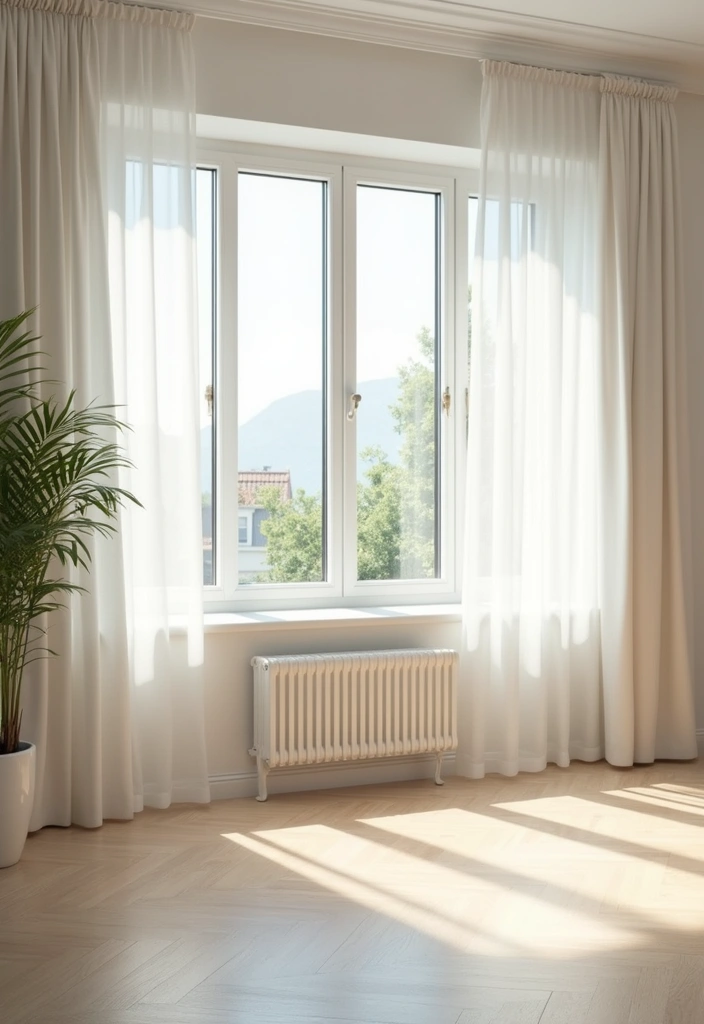
Natural light can transform a space, making it feel larger and more inviting. When designing your home, prioritize windows and open spaces that let in plenty of sunlight.
Use sheer curtains to allow light to filter in while maintaining privacy. Position mirrors strategically to reflect light, enhancing brightness and the feeling of openness. Consider how your layout can take advantage of natural light throughout the day.
– Opt for light-colored fabrics that reflect rather than absorb light.
– Keep window sills clear to maximize incoming light.
– Embrace an open floor plan to encourage light flow.
Fostering a bright atmosphere will not only enhance your decor but also uplift your mood.
Let the sunshine in! Prioritizing natural light not only brightens your space but also enhances your mood, creating a calm oasis right at home. Remember, a well-lit room is a happy room!
9. Use Simple Lines and Shapes
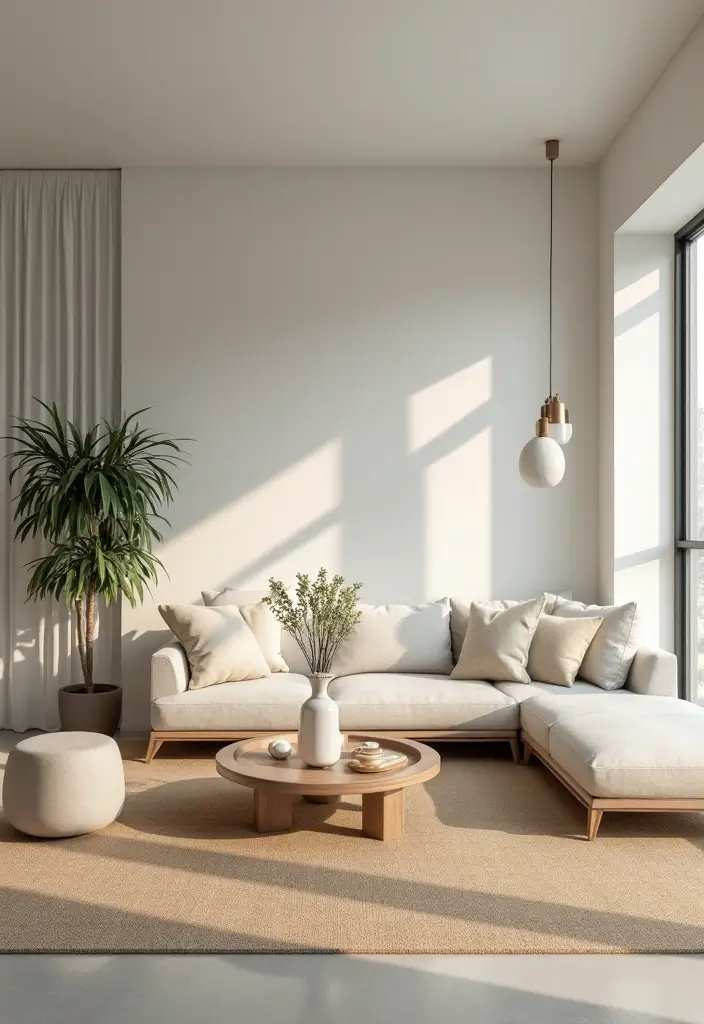
Minimalist design is characterized by clean lines and simple shapes. Furniture pieces with straight edges and geometric forms create a calming and organized environment.
Avoid overly ornate designs that can clutter the space visually. Choose items that feature straight lines, such as a sleek dining table or a geometrically designed lamp. The simplicity of these shapes fosters a peaceful atmosphere, allowing your home to breathe.
– Look for furniture that combines form and function without too much fuss.
– Choose decorative elements with a minimalist aesthetic to stay consistent.
– If you love curves, select one or two statement pieces to avoid overcrowding.
By focusing on simple lines and shapes, you’ll enhance the minimalist style and promote a tranquil environment.
10. Personalize Thoughtfully
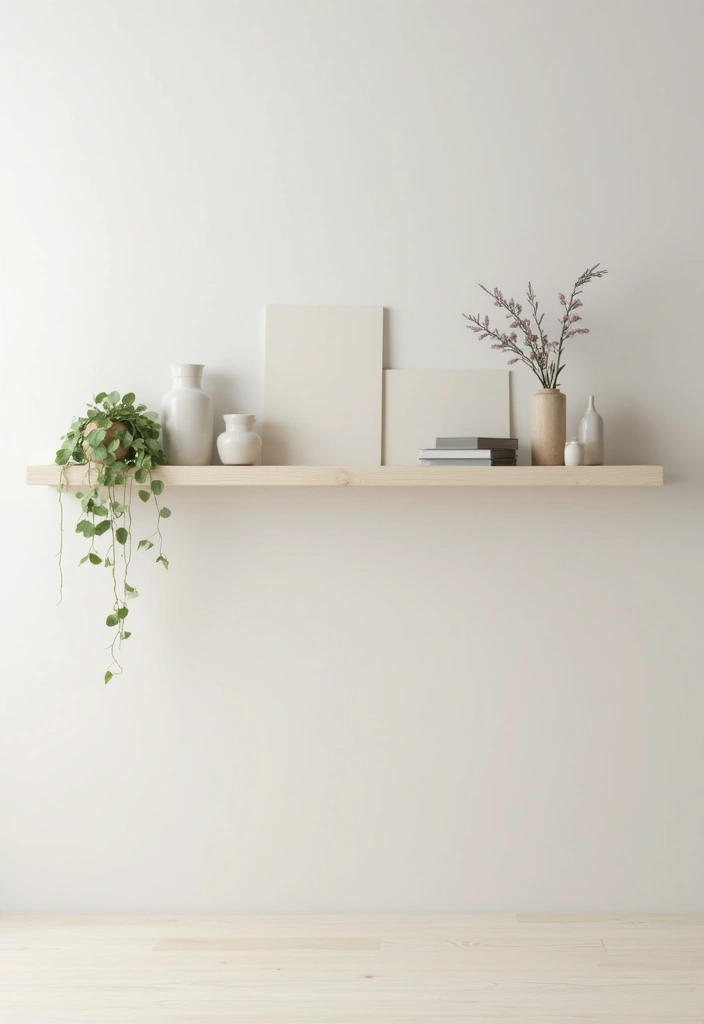
Even in a minimalist home, it’s important to infuse your personality into the design. However, this should be done thoughtfully to maintain that serene atmosphere.
Choose a few meaningful items that reflect your personality, such as a framed photo or a cherished memento. By keeping these items to a minimum, you create personal touches without overwhelming the space. Consider displaying them in dedicated areas, such as a small shelf or a clean corner on a table.
– Use personal items as statement pieces rather than accessories.
– Incorporate items that spark joy and have stories behind them.
– Keep the rest of your décor simple to highlight those personal pieces.
Thoughtful personalization makes your home feel inviting while preserving the calming essence of your minimalist design.
Conclusion
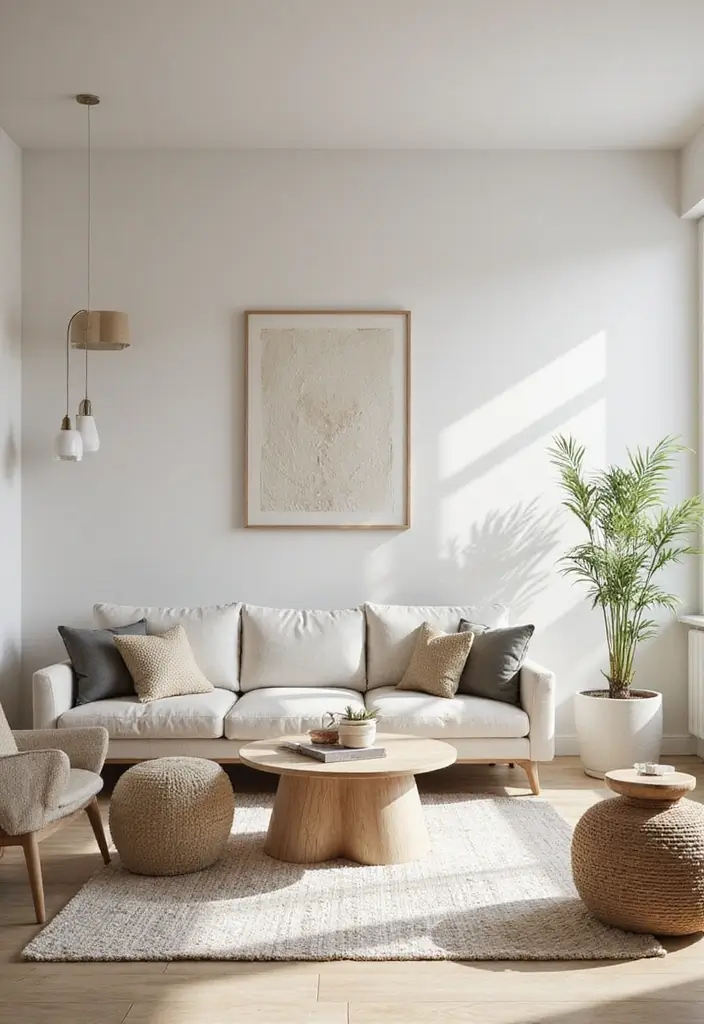
Creating a calm oasis in your home through minimalist interior design is about embracing simplicity and intentionality.
By implementing these ten ideas, you can transform your space into a serene sanctuary that reflects your style while promoting relaxation. Remember, it’s not just about what you add to your home but also what you choose to remove. Happy decorating!
Frequently Asked Questions
What Are the Key Principles of Minimalist Interior Design?
The key principles of minimalist interior design revolve around simplicity and functionality. This means embracing a clean aesthetic, using a neutral color palette, and prioritizing open spaces. Focus on incorporating only what you truly need, and choose furniture that serves multiple purposes. By adhering to these principles, you can create a serene environment that fosters calm and clarity.
How Can I Incorporate Nature into My Minimalist Home Decor?
Incorporating nature into your home decor is a fantastic way to enhance the tranquility of your minimalist space. Start by adding plants that require low maintenance, like succulents or snake plants. You can also introduce natural elements such as wooden furniture or stone accents. These touches not only breathe life into your home but also promote a sense of connection to the outdoors.
What Are Some Tips for Decluttering My Home Effectively?
Decluttering is essential for achieving a minimalist oasis. Start by evaluating each room and categorizing items into what you use, love, or need. Consider a 30-day decluttering challenge, where you remove one item on the first day, two on the second, and so on. This approach makes the process manageable and helps you embrace a clutter-free lifestyle, aligning perfectly with the principles of minimalist interior design.
Can Minimalist Design Work in Small Spaces?
Absolutely! In fact, minimalist design is particularly beneficial for small spaces. By focusing on multi-functional furniture and creating open areas, you can maximize your space effectively. Use light colors and avoid heavy drapes to make the area feel larger. Remember, simplicity is key, so only include items that bring you joy or serve a purpose to maintain a calm oasis.
How Do I Personalize My Minimalist Space Without Creating Clutter?
Personalizing a minimalist space is all about intentional choices. Select a few meaningful items that resonate with you—perhaps a piece of art, a cherished photograph, or a unique decorative object. Display them thoughtfully to avoid clutter, and ensure they enhance the overall aesthetic rather than distract from it. This way, you can maintain the serene atmosphere while still reflecting your personality.