What are some ways to create a textured feature wall in a living room?

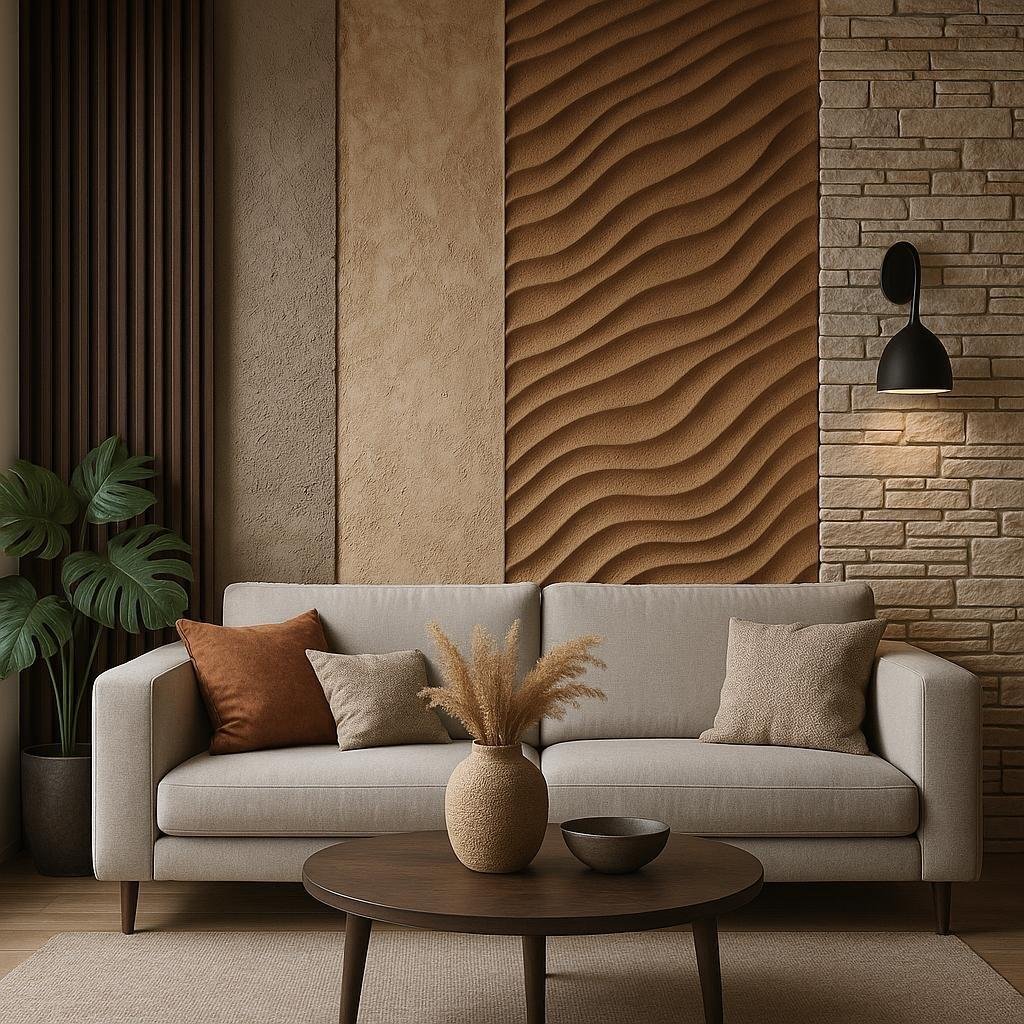
Creating a textured feature wall in your living room is a fantastic way to add depth, personality, and visual interest to your space. Whether you’re looking to make a bold statement or simply introduce subtle dimension, there are plenty of creative options to explore. From natural materials like wood and stone to innovative paint techniques and textured wallpapers, a textured feature wall can transform your living room into a cozy and stylish retreat. In this article, we’ll walk you through some popular and easy-to-achieve ideas to help you bring texture and warmth to your living area with confidence.
Choosing the Right Materials for a Textured Feature Wall
When deciding on materials for your textured wall, consider the ambiance you want to evoke and the durability required. Natural materials like reclaimed wood and stone offer a warm, earthy vibe and are perfect for rustic or organic interiors.For a modern, sleek look, materials such as 3D wall panels or textured wallpaper can introduce subtle complexity without overwhelming the space. Additionally, think about the maintenance involved-while brick and wood may require sealing or occasional cleaning, wallpapers and paint can be refreshed with less effort.
To make an informed choice, here’s a fast overview of popular materials and their characteristics:
| Material | Texture Style | Maintenance | Best For |
|---|---|---|---|
| Reclaimed Wood | rustic, warm | periodic sealing | Cozy, farmhouse |
| 3D Wall Panels | Geometric, modern | Dust occasionally | Contemporary, minimalist |
| Brick | Raw, industrial | Sealing, dusting | Urban loft, vintage |
| Textured Wallpaper | Varied patterns | Easy to replace | Flexible, decorative |
| Stucco or Plaster | Classic, tactile | Occasional touch-up | Traditional, Mediterranean |

Creative Techniques to Add Depth and Dimension
One effective way to enhance a living room’s visual appeal is by incorporating layered textures that catch the eye and invite touch.Consider combining materials such as reclaimed wood panels, decorative plaster, or textured wallpaper that boasts a subtle raised pattern. These elements can add intricate detail without overwhelming the space. For a more artistic approach, using a geometric 3D wall panel can create dynamic shadows and highlights, giving your feature wall a sense of motion and life throughout the day. Additionally, accenting with metallic paints or finishes provides a shimmer that amplifies depth when light interacts with the surface.
To simplify choices and help visualize how different textures translate into tangible benefits, here’s a quick reference chart:
| Technique | Effect | Maintenance |
|---|---|---|
| Textured Paint | Subtle depth, easy customization | Low – wipe clean gently |
| 3D Wall Panels | Strong dimensionality, modern look | Medium – dust regularly |
| Fabric draping | Soft warmth, tactile richness | Medium – occasional cleaning |
| Stone or Brick Veneer | Natural ruggedness, timeless appeal | Low – minimal upkeep |
- Layer contrasts: Mix smooth and rough surfaces for dynamic interest.
- Vary colors subtly within the texture to avoid flatness.
- Incorporate lighting to highlight contours and shadows effectively.
Incorporating Color and Lighting to Enhance Texture
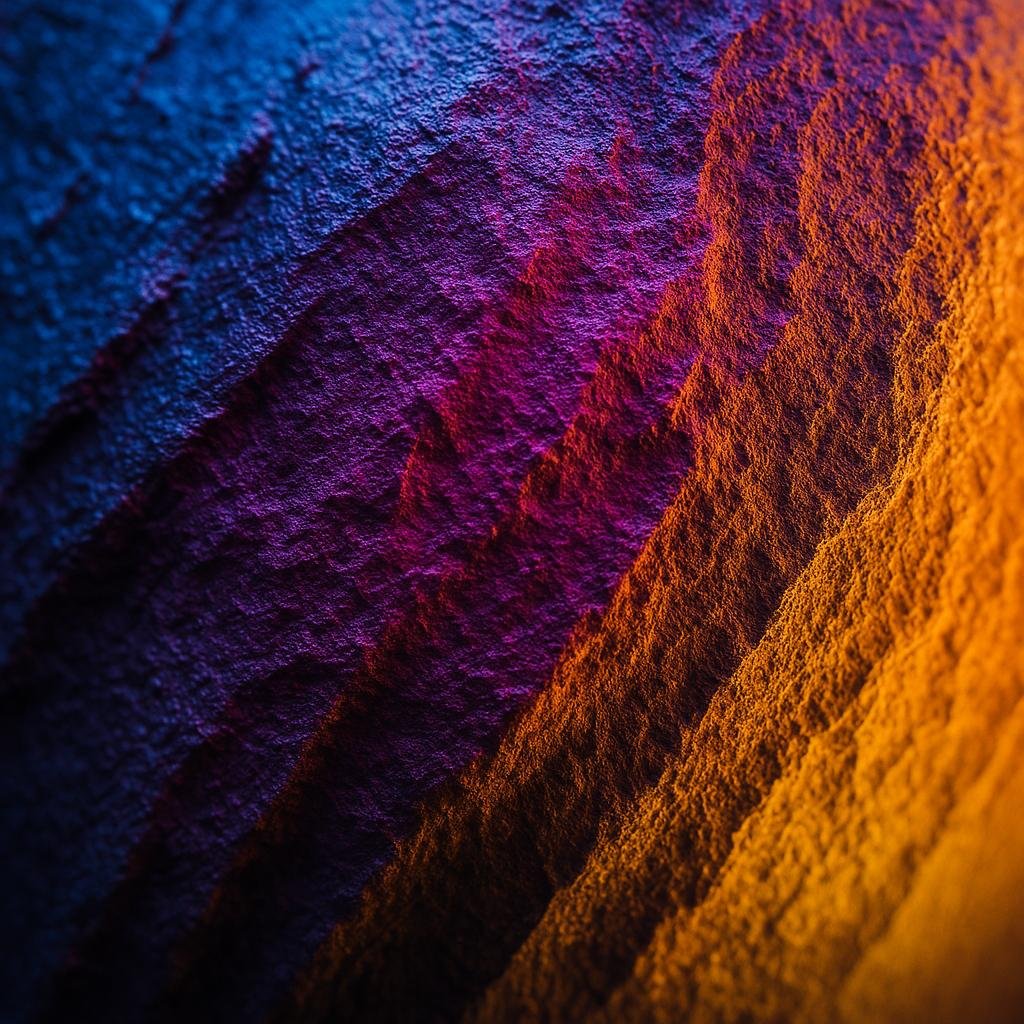
to truly bring out the depth and intricacy of a textured feature wall,the interplay of color and lighting is fundamental. By selecting a color palette that complements the texture, you can emphasize the wall’s unique patterns and materials. As an example, warm tones like terracotta or ochre naturally highlight rough surfaces, while cooler shades such as slate gray or navy blue enhance smoother, sleek textures. Using contrasting shades on adjacent walls or furniture also helps draw attention and creates a more dynamic visual experience.
Lighting plays a pivotal role in accentuating textures. Strategically placed light sources, such as wall washers or adjustable spotlights, cast shadows that emphasize grooves, ridges, or bumps, adding dimension and interest. Consider these lighting tips:
- Uplighting to create dramatic shadows on uneven surfaces.
- Ambient lighting for gentle,uniform illumination that softens bold textures.
- Accent lighting to highlight specific areas with intricate designs or patterns.
| Lighting Type | Effect on Texture | Best use Case |
|---|---|---|
| Wall Washer | Highlights entire surface evenly | Textured plaster or stone walls |
| Spotlight | Creates strong shadows and highlights | Rough brick or sculptural surfaces |
| Backlighting | Adds depth and dimensionality | 3D panels and carved wood |
Maintenance Tips to Keep Your Feature Wall Looking Fresh
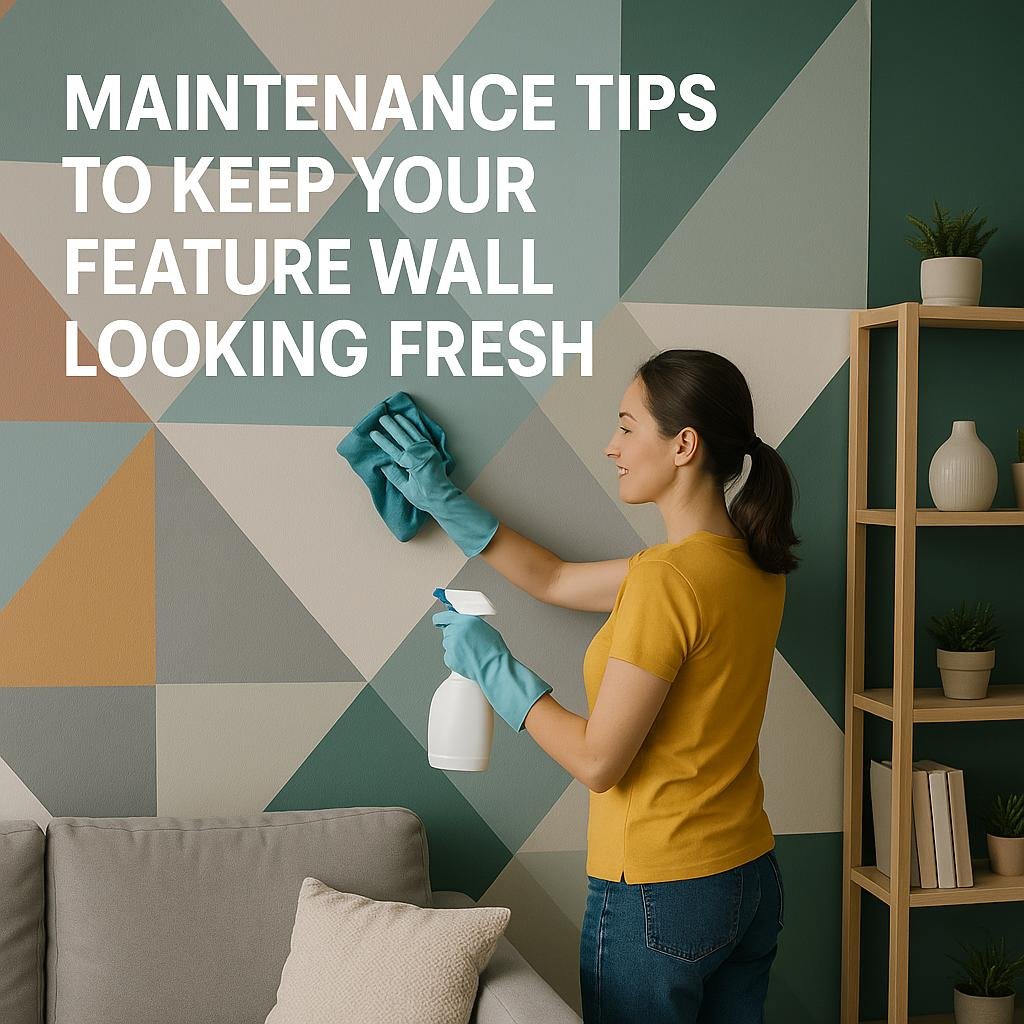
To ensure your textured wall remains a stunning focal point,regular care is essential. Start by dusting gently with a soft microfiber cloth or using a vacuum cleaner with a brush attachment to remove surface dust and dirt without damaging the texture. Avoid harsh chemicals or abrasive cleaners, which can erode delicate surfaces or fade paint. For walls finished with natural materials like wood or stone, applying a specialized conditioner or sealant periodically will help preserve their richness and prevent wear.
Addressing minor damages promptly is equally vital in maintaining the wall’s fresh appearance. Keep a small repair kit handy with matching paint, grout, or plaster, depending on your texture type. Here’s a quick guide to common maintenance tasks:
- Cleaning textured paint: use mild soap and water; avoid scrubbing.
- Sealing brick or stone: apply a penetrating sealant every 1-2 years.
- Repairing wood panels: Light sanding and a fresh coat of stain or varnish.
- Touching up plaster walls: Use matching plaster or patch kits for cracks.
| Material | Maintenance Frequency | Best Cleaning Method |
|---|---|---|
| Textured Paint | Every 3-6 months | Gentle dusting + mild soap |
| Natural Stone | Annually | Sealant + soft cloth |
| Wood Paneling | 6 months | Sanding + stain/varnish |
| Plaster | As needed | Patch kits + light sanding |
Closing Remarks
Creating a textured feature wall in your living room is a fantastic way to add depth, personality, and visual interest to your space. Whether you choose bold brick, soft wood panels, tactile wallpaper, or any other creative material, the key is to select a texture that complements your overall decor and reflects your personal style. with a little planning and imagination, your textured wall can transform your living room into a cozy, inviting area that feels uniquely yours. So go ahead-experiment with different textures and finishes, and watch your living space come alive with character and charm.