Can natural light affect how neutral color palettes appear in a living room?

Natural light plays a notable role in shaping the atmosphere and aesthetics of any living space, and it’s impact on interior design choices is ofen underestimated. When it comes to neutral color palettes in living rooms-those calming shades of beige, gray, white, and taupe-the way natural light interacts with these hues can dramatically influence their appearance. In this article, we explore how varying intensities and qualities of natural light can alter the perception of neutral colors, helping you make informed decisions to create a warm, inviting, and visually balanced living room.Whether you’re redecorating or simply curious, understanding this relationship can elevate your design and bring your space to life.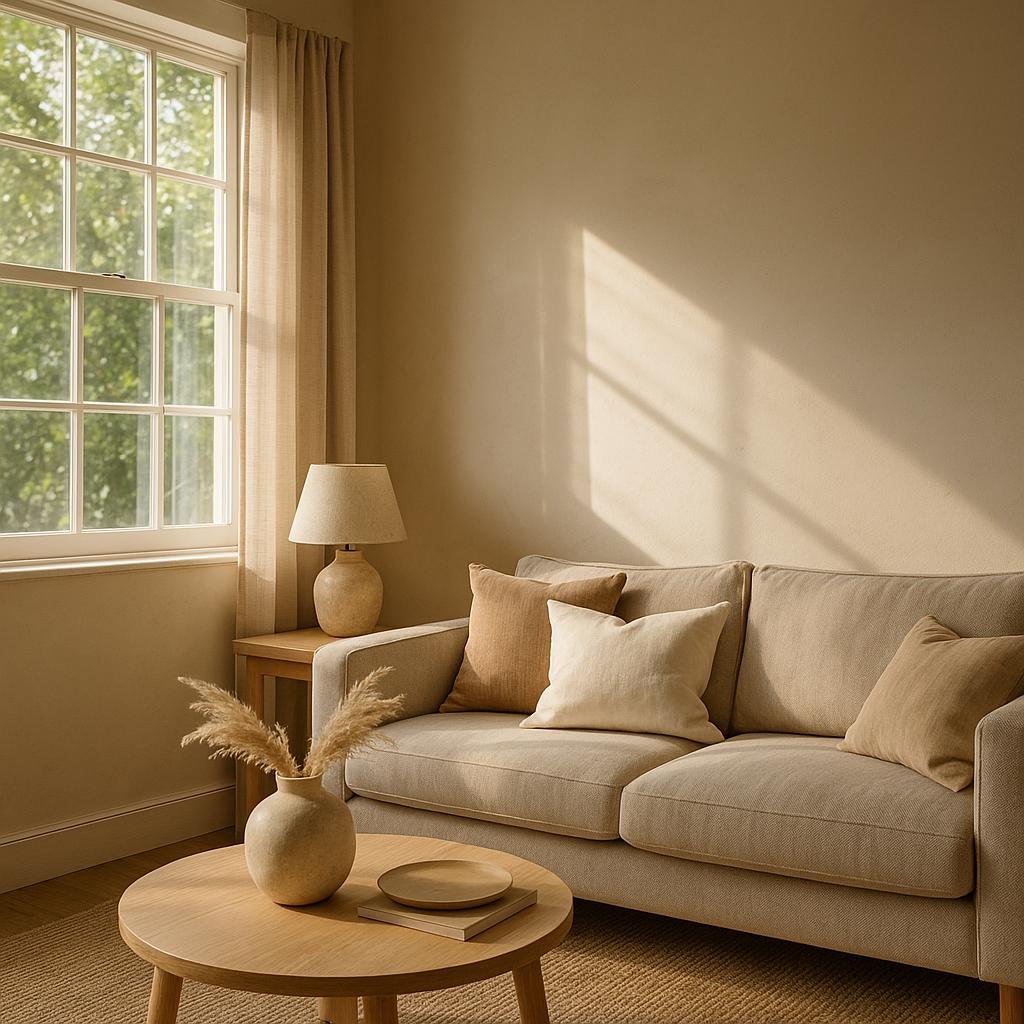
Understanding the Role of Natural Light in Enhancing Neutral Tones
Natural light acts as a dynamic element that can significantly transform the appearance of neutral color palettes in a living room. When sunlight filters into a space,it interacts with neutral hues such as beige,gray,ivory,and taupe,amplifying their warmth or coolness depending on the time of day and season. For example, morning sunlight with its softer, cooler tones can make a room feel airy and fresh, while the rich golden hour light in the evening adds depth and a cozy atmosphere by enhancing the warmer undertones of neutral shades.
To harness the best impact of natural light on neutral tones, consider the following factors:
- window placement and size: More and larger windows mean an abundance of light, which can bring out subtle nuances in neutral colors.
- Orientation: North-facing rooms tend to have cooler, subdued natural light, while south-facing rooms bask in shining, warmer light throughout the day.
- Material reflectivity: Matte surfaces absorb light differently compared to glossy ones, affecting how neutrals are perceived.
| Time of Day | Effect on Neutral Tones | Recommended Neutrals |
|---|---|---|
| Morning (Cool light) | Enhances blues and grays, making spaces feel calm | Soft grays, icy whites |
| Afternoon (Bright light) | Brings out the true color, vibrant but balanced | Beige, taupe |
| Evening (Warm light) | Adds warmth and coziness, enriching creamy neutrals | Warm ivory, sandy hues |
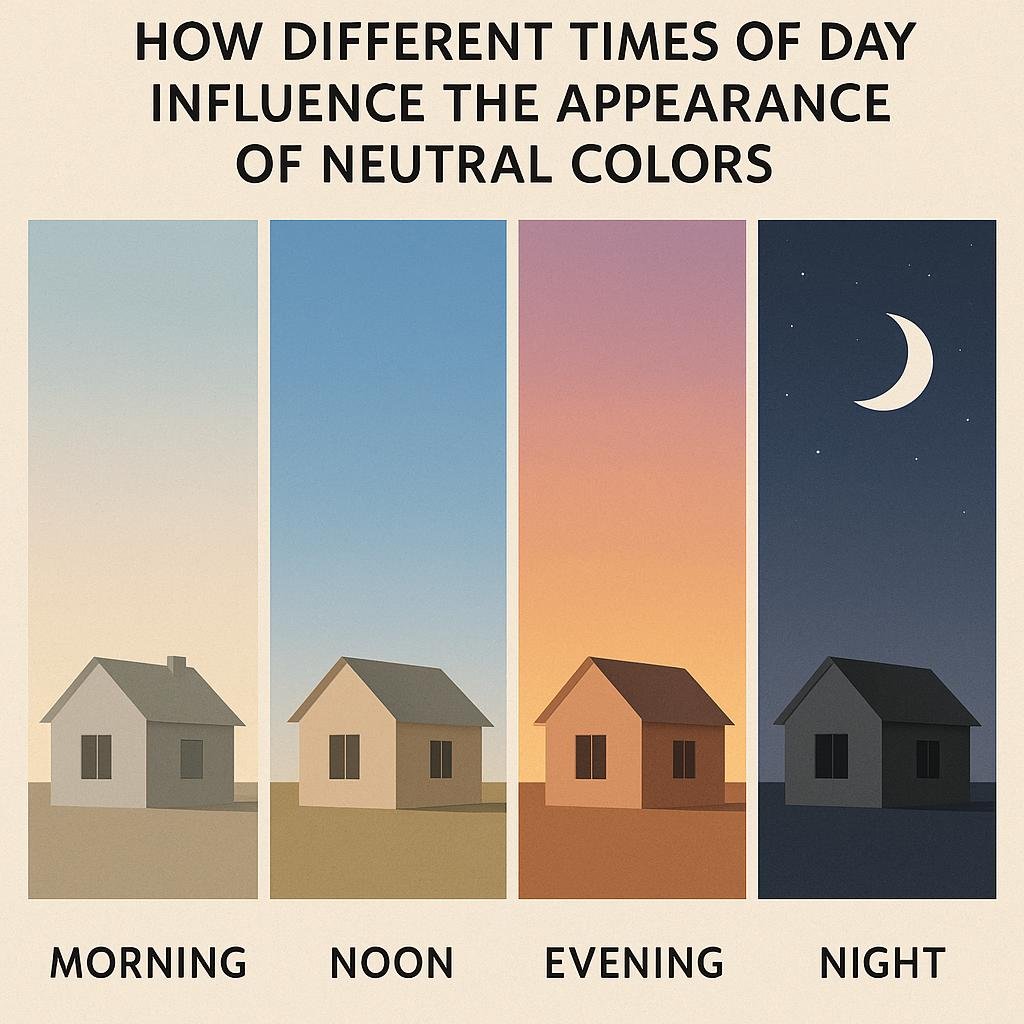
how Different Times of Day Influence the Appearance of Neutral Colors
as natural light shifts throughout the day,neutral colors transform dramatically,revealing subtle undertones that might otherwise go unnoticed.In the gentle morning light, soft beiges and greys often appear warm and inviting, creating a cozy atmosphere in your living room. By contrast, midday sunlight, which is cooler and more intense, can make these same hues look crisp and clean, accentuating their cool or muted characteristics. In the late afternoon, as sunlight takes on a golden hue, neutrals frequently enough absorb this warmth, bathing the space in a relaxed and serene glow.
Understanding these shifts allows you to tailor your neutral palette to your daily lifestyle. Consider these effects:
- Morning: Emphasizes warmth, perfect for tranquil and soft spaces.
- Midday: Highlights clarity and brightness, ideal for lively and active rooms.
- Evening: Adds warmth and coziness, great for winding down.
| Time of Day | Natural light Quality | Effect on Neutral Colors |
|---|---|---|
| Morning | Soft, warm light | Makes neutrals warmer and cozier |
| Midday | bright, cool light | Enhances brightness and cool tones |
| Evening | Golden, soft light | Increases warmth and relaxation vibes |
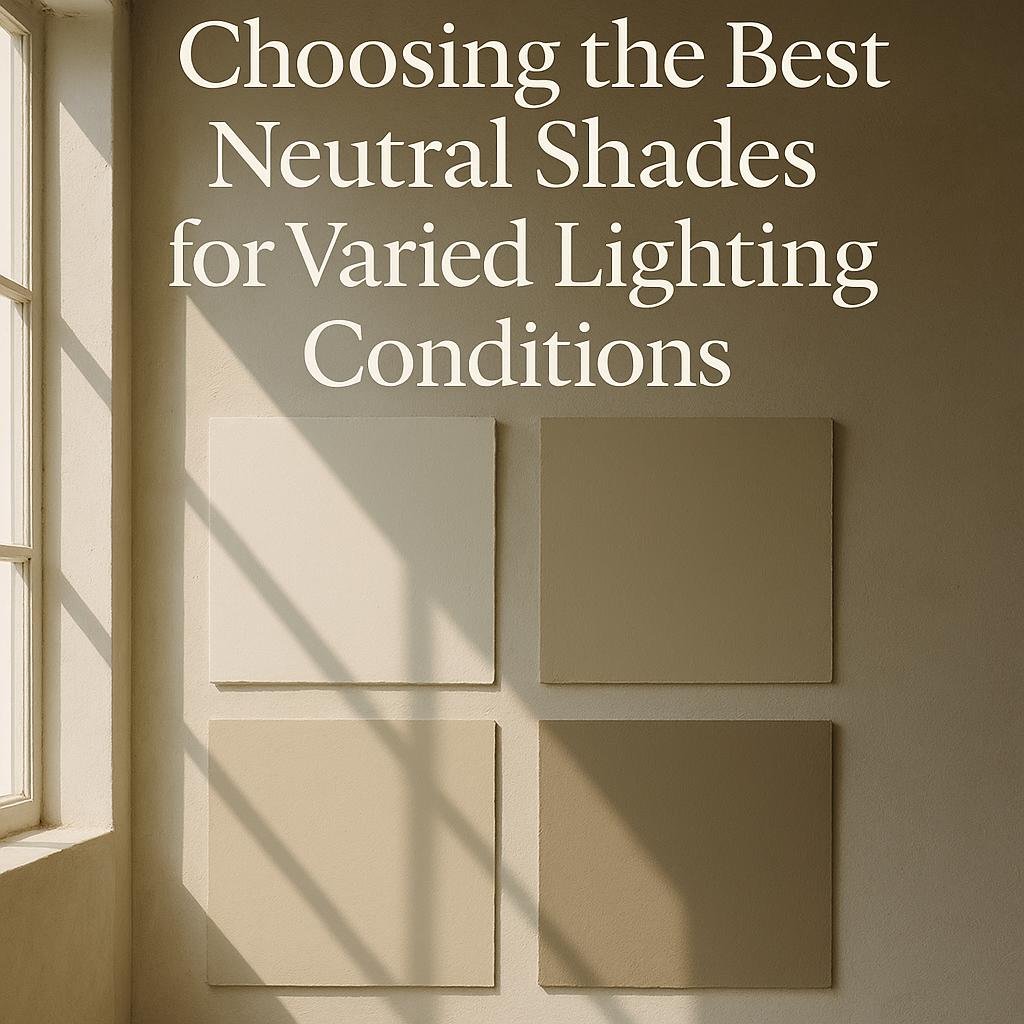
Choosing the Best Neutral Shades for Varied Lighting Conditions
When selecting neutral shades for a living room, it’s crucial to consider how different light sources impact their appearance throughout the day. Natural light changes intensity and direction from morning to evening,which can drastically alter the tone of neutral colors. As an example, a beige that looks warm and inviting in soft morning light may seem dull and flat under the harsh midday sun. Similarly, cool gray neutrals might feel crisp and modern in bright light but appear cold and unwelcoming in low or artificial light. To achieve a versatile palette, opt for neutrals with balanced undertones-such as greige or taupe-which adapt well across varied lighting conditions.
Here’s a swift guide to help you navigate your choice with natural light in mind:
- East-facing rooms: Benefit from warm morning light, so creamy neutrals with yellow or peach undertones work beautifully.
- South-facing rooms: Receive consistent, bright light; cooler neutrals with blue or gray undertones can maintain a fresh look here.
- North-facing rooms: Often have softer, cooler light; richer warm neutrals like warm taupes or soft browns can counteract the cooler effect.
| Lighting Condition | Recommended Neutral Shades | Undertone to Consider |
|---|---|---|
| Bright Morning Light | Cream, Warm Beige | Yellow, Peach |
| Bright Midday Light | Greige, Soft White | Balanced, Neutral |
| Low or artificial Light | Warm taupe, Soft Brown | Warm Red, Brown |
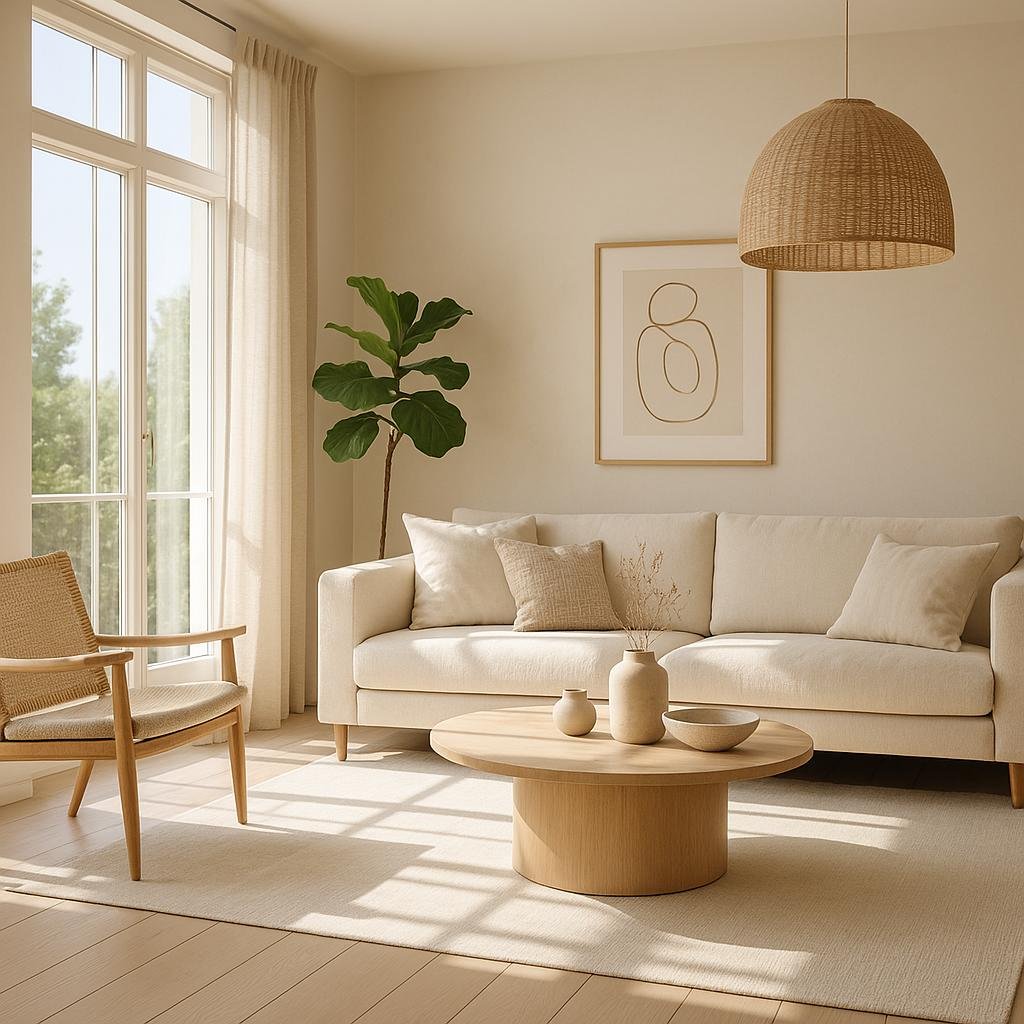
Tips for Maximizing natural Light to Highlight Your Neutral Living Room Palette
To truly let your neutral living room palette shine, focus on optimizing the natural light that flows into the space. Start by ensuring your windows are clean and unobstructed-simple steps like trimming outdoor shrubs or choosing lightweight curtains can make a huge difference. Incorporating reflective surfaces, such as mirrors or glossy décor pieces, helps bounce sunlight around the room, enhancing the warmth and depth of beige, taupe, and gray shades. Consider orienting your furniture to face the light source, which naturally draws attention to the subtle variations in your palette and creates an inviting atmosphere.
Maximizing daylight exposure also involves smart layering of window treatments. Use sheer fabrics to soften the direct glare while maintaining brightness throughout the day. Complement this with strategically positioned light-colored rugs and upholstery to absorb and reflect sunlight evenly.Below is a quick guide on window treatment effectiveness in various lighting conditions:
| Window Treatment | Effect on Light | Best For |
|---|---|---|
| Sheer Curtains | softens and diffuses | Bright, direct sunlight |
| Light Linen Drapes | Filters and brightens | Moderate light rooms |
| Translucent Blinds | Controls glare | Rooms with fluctuating light |
Key Takeaways
natural light plays a significant role in how neutral color palettes are perceived in a living room. The changing intensity and direction of sunlight throughout the day can enhance or soften the tones, bringing warmth, depth, and subtle variations to otherwise understated shades. By understanding the impact of natural light, homeowners can thoughtfully select and position their neutral hues to create a welcoming and harmonious space that feels both calm and dynamic. Embracing the interplay between light and color ultimately helps make a living room not just visually appealing, but truly inviting.