Step By Step: How to Create a Thriving Vegetable Garden Even as a Beginner

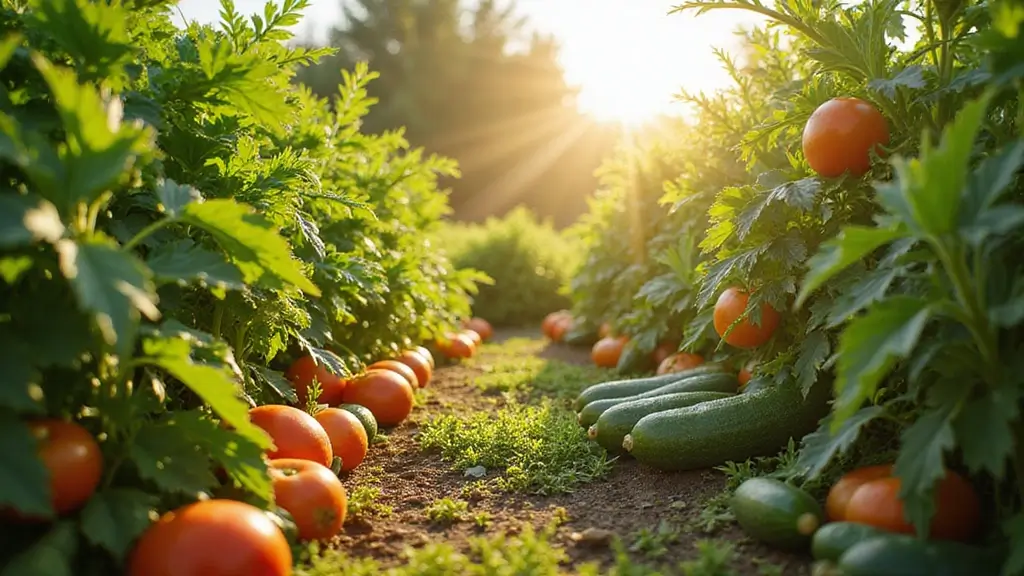
Starting your own vegetable garden can feel a bit daunting, especially when you’re just stepping into the world of gardening. But let me assure you, it’s not just possible; it’s incredibly rewarding! With a bit of patience, some basic know-how, and a sprinkle of love, you’ll be on your way to enjoying fresh veggies that you’ve grown with your own hands. Imagine the satisfaction of harvesting your first ripe tomato or crunchy cucumber! I’m here to guide you with simple, easy tips that will turn that patch of soil into a luscious vegetable garden, even if you’ve never planted a seed before.
So roll up your sleeves, grab your shovel, and let’s dig into this beginner’s guide to creating a thriving vegetable garden!
1. Choose the Right Location

Location is everything when it comes to planting a vegetable garden. Look for a space that gets at least six hours of sunlight daily; most vegetables thrive with plenty of sunshine. It’s also essential to ensure proper drainage, as plants don’t like ‘wet feet.’
Take a stroll around your yard or balcony during the day to find that perfect spot. If you’re short on space, don’t fret! Container gardens on a sunny patio or balcony work just as well. Consider using container gardening pots to maximize your space. These durable pots are perfect for growing a variety of vegetables and can easily be moved to catch the best sunlight. Just remember to avoid shady spots near trees or buildings, as they’ll rob your veggies of precious light.
Key Tips:
– Observe the sun’s path to find the sunniest area.
– Make sure the location is accessible for watering and harvesting.
– Check for any large roots or underground pipes that could interfere with planting.
To ensure you’re planting in the right soil conditions, you might want to invest in a garden soil test kit. This kit will help you analyze the pH and nutrients in your soil, giving your veggies the best chance to flourish.
Additionally, having the proper gardening tools makes the planting and maintenance process easier. A garden trowel set that includes a trowel, transplanter, and cultivator can help you efficiently prepare your garden bed and care for your plants.
A sunny, well-drained area, along with the right tools and knowledge, will give your veggies the best chance to thrive!
The secret to a thriving vegetable garden? Finding that sunny spot! Remember, even a small balcony can become your green oasis with the right location. Let the sunshine in!
2. Start Small With Easy-to-Grow Vegetables

As a beginner, it’s wise to start with vegetables that are forgiving and easy to cultivate. Consider planting seeds for radishes, lettuce, carrots, or zucchini. These crops tend to sprout quickly and yield results in just a few weeks!
To help you get started, an excellent choice is the vegetable seed starter kit. This kit includes everything you need, such as a seed starter tray and coir pellets, which provide a great environment for your seeds to germinate.
Begin with just a couple of plants so you don’t feel overwhelmed and can learn as you grow. Once you see success, you’ll be eager to expand your garden! Another option, especially for newbies, is starting with young plants from a nursery. If you plan to transplant your seedlings, consider using a set of tools like the gardening hand tools set. This 9-piece set will help you handle various gardening tasks efficiently, making the process smoother and more enjoyable.
Easy starter vegetables:
– Radishes: Quick to sprout, ready in about 4 weeks.
– Lettuce: Grows fast and can be harvested multiple times.
– Zucchini: Prolific producers; watch out, they might take over!
To maximize your gardening effort, consider a raised garden bed like the raised garden bed planter. This 32-inch tall planter not only provides ample space for your vegetables but also comes with wheels for easy mobility, allowing you to find the perfect spot for sunlight.
This way, you can gain confidence while playing with soil and seeing what works best for you.
3. Get Your Soil Right

The foundation of your vegetable garden lies beneath the surface—in the soil! Healthy, nutrient-rich soil is crucial for plant growth. Start by testing your soil to understand its pH and nutrient content. You can often get a kit at your local garden center, such as the Soil Test Kit. This affordable tool measures soil pH acidity and essential garden nutrients, giving you valuable insight into what your plants need.
To enhance your soil, consider mixing in compost or well-rotted manure. Adding organic material will not only help retain moisture but also introduce essential nutrients that your plants crave. A great option is R&M Organics Premium Organic Compost, which is rich in nutrients and perfect for boosting soil health.
If you find your soil is too sandy or clay-heavy, amend it with organic matter to create a balanced texture. Additionally, mixing in mulch can be incredibly beneficial. Using something like GardenStraw, an all-natural mulch, will help retain moisture in your soil while also suppressing weeds, allowing your plants to thrive.
Soil Preparation Tips:
– Add organic matter to improve soil quality.
– Mix in mulch to retain moisture and suppress weeds.
– Regularly check for soil health to adjust nutrients as needed.
Getting your soil right sets the stage for a flourishing garden!
4. Plan Your Garden Layout

Before diving into planting, sketch a simple layout for your vegetable garden. Planning helps in maximizing space and ensuring that taller plants don’t shade the shorter ones. A common layout method is to plant taller veggies like tomatoes in the back and shorter ones like lettuce in the front.
To assist with your planning, consider using the Week-by-Week Vegetable Gardener’s Handbook: Perfectly Timed Gardening for Your Most Bountiful Harvest Ever. This garden planning journal provides timely guidance to help you organize your planting schedule effectively, ensuring each plant thrives in its designated spot.
Also consider companion planting, which involves pairing plants that benefit each other, like growing basil alongside tomatoes to boost flavor and repel pests. For more insights on this method, check out Companion Planting for Beginners: Pair Your Plants for a Bountiful, Chemical-Free Vegetable Garden. This guide will help you discover which plants grow best together, enhancing both productivity and pest resistance in your garden.
By planning your garden, you’ll create an aesthetically pleasing and productive space.
Layout Essentials:
– Group plants with similar watering and sunlight needs together.
– Leave adequate space between plants for air circulation.
– Consider rotating crops yearly to maintain soil health and reduce pests.
With a little planning, your garden will not only flourish but will also look fantastic!
5. Watering Wisely

Watering is a critical part of gardening, and knowing how to do it right can make all the difference. It’s better to water deeply and less frequently, encouraging deep root growth. Aim for about an inch of water per week, either through rainfall or your watering efforts.
The best time to water is in the early morning or late afternoon to minimize evaporation. Just be careful not to wet the leaves too much, as this can lead to fungal diseases. Instead, water the base of the plants directly.
One great tool to help with deep watering is a soaker hose. With its heavy-duty double-layer design, it saves up to 80% of water while delivering moisture directly to the roots where it’s needed most.
Additionally, using mulch around your plants can help retain moisture in the soil. To ensure you’re watering effectively, regularly check the soil moisture. A moisture meter can be a handy tool for this. It allows you to detect moisture levels below the surface, so you know exactly when it’s time to water.
If you’re considering drip irrigation, a drip irrigation kit can be a fantastic investment, allowing for efficient watering that targets the base of your plants, reducing waste and promoting healthy growth.
Mastering the art of watering with these tools can help your plants thrive beautifully!
6. Keep an Eye on Pests

Pest management is essential for a flourishing vegetable garden. Early detection of pests can save your plants from damage, so it’s crucial to regularly inspect your plants for any signs of trouble, such as holes in leaves or sticky residue.
To combat pests, consider starting with organic solutions like Neem Oil Pesticide. This multi-purpose fungicide, insecticide, and miticide is effective in treating a variety of unwanted visitors without harming beneficial insects. Another great option is insecticidal soap, which is an easy-to-use solution for managing pests on your plants.
Additionally, it can be beneficial to attract natural predators like ladybugs, which can help keep pests in check. You might also want to consider preventative measures such as using garden row covers. These physical barriers protect vulnerable plants from pests while still allowing light and moisture to reach them.
Taking proactive measures, such as using these products and inspecting your plants regularly, will help you maintain a healthy and productive garden!
7. Harvesting at the Right Time

One of the most rewarding steps in vegetable gardening is the harvest. Knowing when to pick your vegetables can dramatically affect their flavor and texture. Some veggies, like cucumbers and zucchinis, are best when they’re still young and tender, while others, like carrots and tomatoes, develop more flavor when allowed to grow a bit longer.
Keep a close eye on your plants and taste-test them! If they’re not ready yet, give them time. Using clean, sharp tools when harvesting is essential to avoid damaging the plants. For this, you might find the Garden Harvesting Knife especially helpful. Its ergonomic design allows for precise cutting, making it easier to harvest your vegetables without any fuss.
Harvesting Tips:
– Research the ideal harvest times for each vegetable.
– Always check for color, size, and firmness to determine ripeness.
– Don’t forget to enjoy the fruits of your labor by cooking with your fresh veggies!
Additionally, having reference materials like the Old Farmer’s Almanac Vegetable Gardener’s Handbook can provide you with valuable insights on when to harvest different types of vegetables, ensuring you make the most of your garden.
Harvesting can be a delightful experience, bringing the true essence of gardening to life! To make the process even smoother, consider using a complete tool set, like the Garden Tool Set, which includes a variety of gardening tools ideal for various tasks, from planting to harvesting.
Harvesting your veggies at just the right moment can make all the difference! Keep an eye on your garden – taste-testing is the best way to ensure maximum flavor in your vegetable garden.
8. Learn About Crop Rotation

Understanding crop rotation is an essential aspect of maintaining soil health and preventing pests and diseases. Different plants have varying nutrient needs, so rotating your crops each year helps restore balance in the soil. For instance, after harvesting legumes like peas, follow up with nitrogen-demanding crops like cabbage.
To keep track of your rotation and ensure your garden thrives, consider using the Gardener’s Logbook. This handy garden planner journal allows you to record what you planted and where, making it easier to manage your crop rotations effectively.
Additionally, this practice can confuse pests since they won’t find their favorites in the same spot every year. To stay on top of soil health, you might also want to test your soil’s pH and nutrient levels with a soil test kit. Understanding your soil composition can help you decide what crops to plant, ensuring they thrive throughout the seasons.
Don’t forget to enrich your soil during the off-season by incorporating cover crops. A great option is the no-till cover crop 13-seed mix, which includes clovers and other beneficial plants that nurture the soil while you prepare for the next planting season.
Implementing crop rotation, along with these helpful products, can prolong the life and productivity of your garden!
Rotate your crops, and you’ll not only boost soil health but also keep pests guessing. A simple change can lead to a thriving vegetable garden year after year!
9. Embrace Seasonal Changes

Your vegetable garden will change with the seasons, and embracing these changes can lead to a continuous harvest. As one crop is harvested, consider planting another that thrives in the upcoming season. For example, after your summer crops, you might plant fall vegetables like kale or brussels sprouts.
Additionally, planting cover crops in winter can prevent soil erosion and enrich the soil for the next planting season. Products like garden crop covers, which include a blend of seeds such as hairy vetch and daikon radish, can help you maintain soil health over the winter months. Understanding your local climate and seasonal cycles will help you keep your garden vibrant throughout the year.
To maximize your harvest times, research which vegetables suit each season in your area and plan for succession planting. A great resource for this is the succession planting guide book, which teaches you the art of staging your crops for a bountiful yield. If you’re looking to enrich your soil even further, consider using soil enrichment cover crops seeds that include clovers and fenugreek, which can add nutrients and improve soil structure.
By adapting your garden to the seasons, you’ll enjoy a bountiful harvest all year round!
10. Keep Learning and Experimenting

Gardening is a journey, and every gardener learns along the way. Don’t be afraid to experiment with new vegetables, methods, and techniques. Keeping a garden journal can be immensely helpful; consider using the Gardener’s Logbook to track what works and what doesn’t. Document changes in plant health, weather patterns, and your harvest yields to enhance your gardening skills over time.
If you’re starting from seeds, a vegetable seed starter kit can make the process much easier. It includes everything you need to get your seedlings off to a good start, which is especially valuable for those new to gardening.
Joining local gardening groups or online forums can also provide valuable insights and support. You’ll discover tips, tricks, and stories from fellow gardeners, making the journey more enjoyable. Additionally, having the right tools can make all the difference. A handy gardening tool set ensures you’re equipped to tackle any task in the garden, from planting to weeding.
Growth Mindset Tips:
– Document your gardening experiences to learn over time.
– Try new vegetable varieties to find what grows best for you.
– Share your gardening wins and challenges with others.
Embrace the adventure of gardening, and you’ll find it becomes a source of joy, relaxation, and fulfillment!
Gardening is more than just planting – it’s a journey of discovery! Embrace experimentation, keep a garden journal, and connect with others. Every seed you sow is a lesson learned on your path to a thriving vegetable garden.
Conclusion

Creating a thriving vegetable garden might seem challenging at first, but with the right steps and a bit of passion, you can cultivate a beautiful space full of life and delicious produce. Remember to start small, learn as you go, and truly enjoy the process. Your backyard can transform into a vibrant oasis of veggies, bringing joy, health, and satisfaction to your life!
So, grab a shovel, get your hands dirty, and start your gardening journey today!
Note: We aim to provide accurate product links, but some may occasionally expire or become unavailable. If this happens, please search directly on Amazon for the product or a suitable alternative.
This post contains Amazon affiliate links, meaning I may earn a small commission if you purchase through my links, at no extra cost to you.
Frequently Asked Questions
What Are the Best Vegetables for Beginners to Start Growing?
If you’re just starting your vegetable garden journey, consider planting radishes, lettuce, carrots, or zucchini. These veggies are not only easy to grow but also forgiving, making them perfect for beginners.
Starting with these crops can boost your confidence and ensure you enjoy a rewarding harvest!
How Do I Know If My Soil Is Good for Growing Vegetables?
The health of your vegetable garden starts with the soil! To determine if your soil is suitable, conduct a simple soil test to check its pH and nutrient content. Most vegetables thrive in slightly acidic to neutral soil (pH 6.0-7.0).
If your soil needs improvement, consider adding organic matter like compost to enrich it, creating the perfect foundation for your plants.
What Is the Best Way to Water My Vegetable Garden?
Watering wisely is key to a thriving vegetable garden! Instead of frequent light watering, aim for deep watering less often. This encourages deep root growth and helps your plants withstand dry spells.
Generally, aim for about an inch of water per week, adjusting based on rainfall. Early morning is the best time to water, reducing evaporation and allowing plants to absorb moisture effectively.
How Can I Manage Pests in My Vegetable Garden Naturally?
Managing pests naturally is essential for a healthy vegetable garden! Regularly inspect your plants for any signs of trouble, like discoloration or holes. You can introduce beneficial insects like ladybugs, which feed on aphids.
Additionally, using homemade solutions like a soap spray can deter unwanted pests without harming your plants. Early detection and natural methods can keep your garden flourishing!
What Should I Do After My Vegetables Are Harvested?
Harvesting is one of the most rewarding parts of vegetable gardening! Once you’ve picked your veggies, consider crop rotation for the next planting season to maintain soil health and prevent pests.
You can also embrace seasonal changes by planting new crops suited for the next season. Don’t forget to keep a garden journal; it will help you track what worked well and what you want to try next!